As a landlord, you may choose to end the rental relationship when the current lease expires. Before proceeding, review the agreement and consider any legal limits that may affect the decision. This may leave you wondering, “Can you refuse to renew a lease as a landlord?”
A landlord-tenant attorney in Summerville can help you follow the proper nonrenewal process. In this guide, Matejka Law LLC explains when landlords may decline renewal and which steps are most appropriate to help protect their legal position in South Carolina.
Understanding How a Fixed-Term Lease Works
A fixed-term lease covers a defined rental period and usually expires on the date listed in the agreement. However, an automatic-renewal clause or a separate agreement may extend the tenancy.
When no renewal provision applies, a landlord may generally allow the lease to expire without offering the tenant another term. The lease language should still be reviewed carefully before a final decision is made.
What Happens at Lease Expiration?
Lease expiration marks the end of the original rental agreement. At that point, you may offer the tenant another fixed term or allow the tenancy to conclude.
In some situations, accepting rent after the expiration date may create a month-to-month tenancy. Understanding how your lease and state law address holdover tenants helps you avoid unintentionally extending the rental relationship.
When Can a Lease Nonrenewal Be Unlawful?
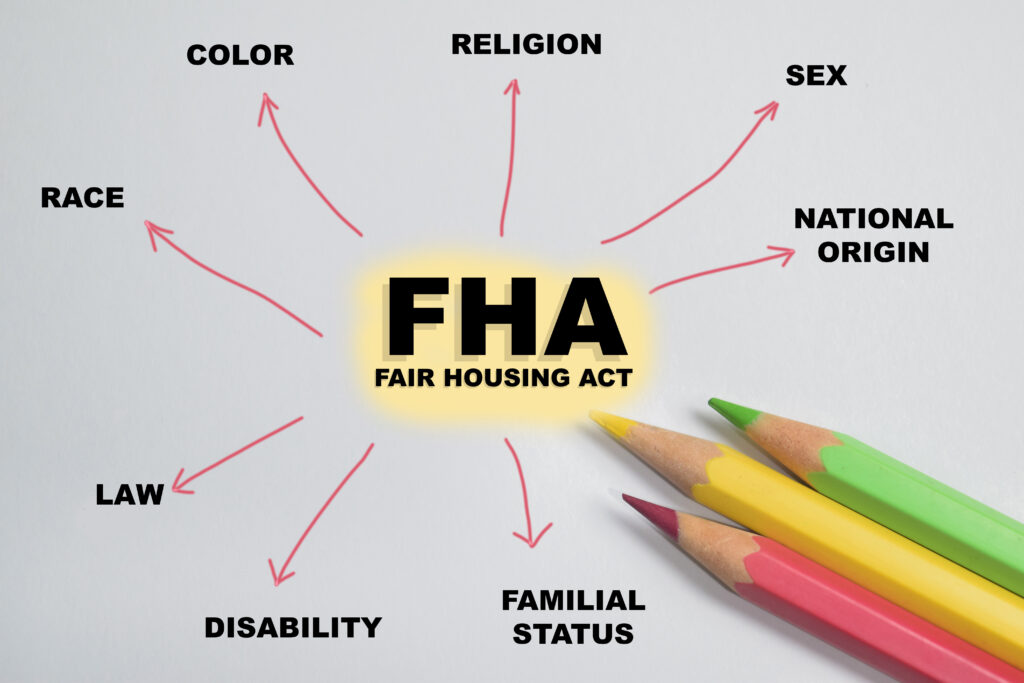
If you are asking, “Can you refuse to renew a lease as a landlord?” South Carolina law generally allows nonrenewal after a fixed term expires. However, the decision cannot be based on a tenant’s protected status under fair housing laws. A nonrenewal may also raise concerns when it appears retaliatory, particularly after a tenant reports unsafe conditions or exercises another protected legal right.
The Importance of a Lease Renewal Notice
A lease nonrenewal notice formally communicates your decision not to extend the tenancy beyond the current term. Providing notice gives both parties time to complete their remaining responsibilities before the lease expires.
Check the rental agreement to determine whether it establishes a required delivery method or advance notice period. Following those provisions makes the nonrenewal process move forward more smoothly.
A well-prepared notice should include the following:
- Effective date: State the date on which the lease and tenancy will end.
- Move-out instructions: Explain how the tenant should return the keys and surrender possession of the property.
- Security deposit information: Describe any required move-out procedures that may affect the deposit’s handling.
Providing the notice in writing also creates a record that may be useful if a disagreement develops later.
Review Your Rental Lease Agreement
Start by reviewing the rental agreement to determine whether the tenancy renews automatically and how much notice either party must give before it ends.
Reviewing the terms to include in your lease or rental agreement can also help you draft clearer renewal provisions for future tenancies. When the current lease does not address renewal, applicable state law may determine your obligations.
How Do Landlord-Tenant Laws Protect Both Sides?
Understanding “Can you refuse to renew a lease as a landlord?” helps clarify the boundaries surrounding nonrenewal. South Carolina landlord-tenant laws preserve a property owner’s ability to manage the rental while protecting tenants from prohibited conduct.
Landlords generally retain discretion at the end of a lease term, but that discretion must be exercised consistently with fair housing and anti-retaliation protections. Recognizing these limits can help you make and document a legally supportable decision.
Steps To Take Before Declining Renewal
If you decide not to renew a tenant’s lease, take these practical steps:
- Review the lease terms: Confirm the expiration date and any required notice period.
- Prepare written notice: Clearly state that the lease will not be renewed and when the tenant must move out.
- Document your records: Keep copies of the lease and all communications related to the nonrenewal.
Careful preparation can help prevent misunderstandings and provide useful documentation if the tenant challenges the decision.
Get Help With a Lease Renewal Dispute Today!
The answer to “Can you refuse to renew a lease as a landlord?” often depends on the rental agreement and the circumstances surrounding the decision. Matejka Law LLC helps South Carolina property owners understand their rights and responsibilities when ending a tenancy.
When a tenant remains after the lease expires, understanding the eviction process can guide you toward the appropriate next steps. Call (843) 300-8147 to discuss a lease renewal or termination issue with an attorney in Summerville, SC.