Navigating the eviction process in South Carolina can be daunting for landlords.
Understanding the legal steps is crucial to ensure compliance and protect your rights.
Evictions often arise from tenant disputes, non-payment of rent, or lease violations. Each situation requires a specific approach and adherence to state laws.
This guide will provide a comprehensive overview of the eviction process in South Carolina.
You’ll learn about timelines, legal requirements, and best practices for handling tenant issues. With this knowledge, you can maintain smooth tenant relations and efficient property management.
If you’re asking how long does the eviction process take in South Carolina, we summarize the typical timelines and key factors that affect them below.
Overview of the Eviction Process in South Carolina
The eviction process in South Carolina is strictly governed by state law. The South Carolina Residential Landlord and Tenant Act (SCRLTA), codified in Title 27, Chapter 40 of the South Carolina Code, governs most residential landlord-tenant relationships.
Landlords must follow specific procedures to legally remove a tenant from their property.
The process begins with providing the tenant a written eviction notice. This notice outlines the reason for eviction and time allowed for the tenant to respond or vacate.
Typically, the process involves several key steps:
- Serve a Written Notice to Vacate
- File for Ejectment in Magistrate Court
- Hearing and Court Appearance
- Execution of the Writ
Each step must be carried out precisely to avoid legal complications. Understanding these steps helps in navigating tenant disputes effectively and fairly.
Common Legal Grounds for Eviction
In South Carolina, landlords can initiate eviction for several valid reasons. Understanding these grounds ensures compliance with the law and aids in minimizing disputes.
Key legal grounds for eviction typically include:
- Non-payment of rent
- Lease violations
- Damage to the property
Failing to pay rent is a frequent cause, triggering a five-day notice period. Lease violations, such as unauthorized pets or occupants, can also justify ejectment. Substantial property damage caused by the tenant may lead to termination of the lease.
It’s important for landlords to document these issues thoroughly. Clear records strengthen the case if disputes arise. By identifying legitimate reasons and ensuring proper documentation, landlords can navigate the eviction process more confidently.
Serving an Eviction Notice in South Carolina
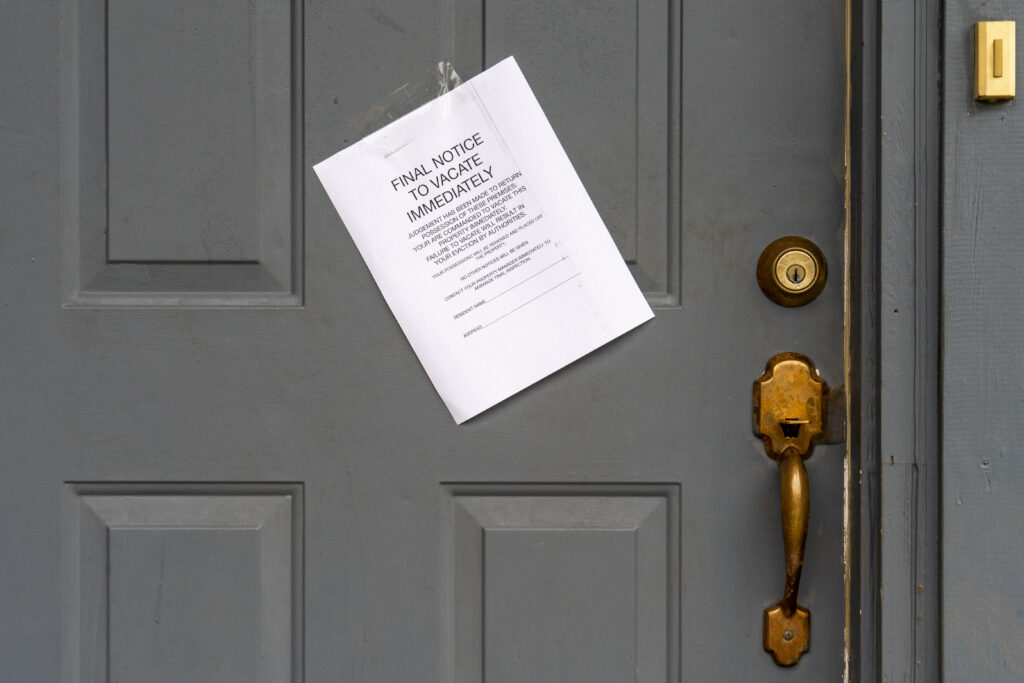
Serving a proper notice is a crucial first step in the eviction process in South Carolina. This notice informs the tenant of the landlord’s intent and provides a chance for resolution.
The notice must be written and include specific information, such as the reason for eviction and a deadline to address the issue or move out. Many landlords search online for an eviction notice SC template; ensure any form you use complies with the SCRLTA and local Magistrate Court requirements.
For non-payment of rent, the landlord must serve a 5-Day Notice to Vacate (pursuant to §27-40-710(A)). This notice can be included in the lease and eliminates the need for any additional notice for the duration of the lease term. This notice informs the tenant that they must pay rent or vacate the premises within five days; otherwise, the landlord may file for eviction. This gives tenants time to pay the overdue amount and avoid eviction.
Other situations may require different notice periods, depending on the terms of the lease. For instance, other types of lease violations (e.g., unauthorized occupants, property damage), landlords must typically give 14 days’ notice to cure or vacate under §27-40-710(B).
Landlords must ensure the notice is delivered correctly. This includes handing it directly to the tenant or posting it on the property. Proper delivery is essential to uphold the legal process.
Filing for an Eviction: Step-by-Step Process
If the tenant does not comply with the required notice, the landlord may proceed by filing an Application for Ejectment in the appropriate Magistrate Court for the county where the property is located.
Step 1: Complete the Application for Ejectment
The Application for Ejectment is the formal court filing that starts the eviction process. It requires specific, accurate information, including:
- The legal name and contact information of the landlord (or property-owning entity)
- The full legal names of all adult occupants of the rental unit
- The complete rental property address
- The legal grounds, such as nonpayment of rent, breach of lease, or holdover after lease expiration
- Lease details, including whether the lease is written or oral and the relevant lease dates
- The amount of rent owed, if applicable
- Confirmation that any required notice was properly given, including the date of service
Accuracy at this stage is critical. Errors such as listing the wrong landlord entity, omitting an adult occupant, misstating rent amounts, or filing before proper notice is given can result in delays or dismissal.
Step 2: Prepare Supporting Documentation
Along with the Application for Ejectment, landlords should be prepared to support their filing with documentation, which may include:
- A copy of the lease agreement
- The eviction notice and proof of service
- Payment ledgers or account statements
- Evidence of lease violations, if applicable
Clear, organized documentation strengthens the case and helps avoid procedural setbacks.
Step 3: File With the Magistrate Court
Once completed, the Application for Ejectment is filed with the local Magistrate Court, and the required filing fee is paid. In South Carolina, the filing fee is $40 (or $30 if a private process server is used).
Step 4: Issuance of the Rule to Show Cause
After filing, the court issues a Rule to Show Cause, which is served on the tenant by the constable or approved process server. This document notifies the tenant of the eviction action and provides the date by which they must respond or appear in court.
At this point, the eviction is officially pending, and the timeline toward a court hearing begins.
Filing errors can delay or dismiss an eviction case.
Legal guidance can help ensure your Application for Ejectment is filed correctly the first time.
If you’re facing nonpayment, lease violations, or procedural delays, Matejka Law provides strategic eviction representation grounded in South Carolina law and real-world property management experience. Review our eviction services to understand how we protect landlords’ rights, rental income, and timelines—before costly delays occur.
Eviction Court Hearings and Judgments
If the tenant requests a hearing within 10 days, the court will schedule one. Once the court sets a hearing date, both parties must attend. Here, landlords and tenants present evidence and testimony to support their cases.
The judge listens carefully to both sides before making a decision. This decision is based solely on the evidence and testimony presented during the hearing.
If the court rules in favor of the landlord, a judgment is issued. This may include the following:
- A writ of ejectment authorizes the sheriff to remove the tenant if the tenant has not vacated voluntarily.
- An order for the tenant to pay overdue rent or damages.
- Additional instructions as deemed appropriate by the court.
It’s crucial for landlords to attend hearings prepared and well-organized, ensuring clarity in their presentation.

How Long Does the Eviction Process Take in South Carolina?
The eviction process in South Carolina varies in duration. Factors such as court schedules and tenant responses can influence the timeline significantly.
Typically, the process can take anywhere from several weeks to a few months. Delays might occur if additional hearings are needed or if either party contests the initial decision.
Landlords should plan accordingly and be prepared for potential delays. Some steps and timelines include:
- Eviction Notice: Typically, a 5-day notice for non-payment of rent.
- Filing & Court Hearing: Can take several weeks.
- Issuance of Writ of Ejectment: Issued shortly after a favorable judgment.
- Hearing to Actual Possession: Should take 1–3 weeks or more, depending on county practices and court schedules.
Understanding these timelines helps landlords manage expectations and plan for timely resolution.
What Happens After a Successful Eviction Judgment?
After a successful eviction judgment, landlords can regain control of their property. The court issues a writ of ejectment, granting the legal right to remove the tenant.
It’s crucial for landlords to follow legal procedures to enforce this writ. Local authorities often assist in the process to ensure compliance.
Key actions include:
- Coordinate with Authorities: Ensure orderly tenant removal.
- Inspect the Property: Assess and document the property’s condition.
- Secure the Premises: Change locks and perform necessary repairs.
Proper execution of these steps ensures a smooth transition and avoids potential legal pitfalls.
Seems Simple—So Why Hire an Attorney to Navigate the Eviction Process?
On paper, eviction in South Carolina appears straightforward. In practice, it rarely is.
Magistrate courts operate with varying local procedures, informal customs, and differing judicial interpretations. These inconsistencies often turn what should be a routine filing into a costly and time-consuming ordeal for landlords.
Here’s where the process breaks down—and why working with an experienced landlord-tenant attorney can make a critical difference.
1. Private Service vs. Constables
Although Rule 4 of the South Carolina Rules of Civil Procedure permits private process servers, some magistrate courts prohibit or restrict their use without formal authorization.
In certain counties, courts insist that constables be given priority for service—even when service may take weeks. Missed deadlines can result in dismissal and require landlords to restart the entire eviction process.
2. Judges Creating Unofficial “Rules”
Some magistrates impose additional grace periods or delay issuing writs beyond the statutory five-day requirement. For example, landlords may be required to allow extra “voluntary move-out” periods before a writ is issued. No such provision exists in the law.
This discretionary practice can result in months of unpaid rent and repeated court appearances.
Meanwhile, tenants often receive free legal representation, while landlords appear unrepresented and pressured into unfavorable outcomes.
3. Case Backlogs and Unpredictable Dockets
In many counties, eviction hearings are delayed by crowded dockets and last-minute tenant representation.
Hearings scheduled for 10:30 a.m. may not be called until hours later, while landlords and their attorneys wait.
In some cases, tenant intake interviews occur after the hearing, prolonging proceedings and increasing landlords’ losses.
4. “Settled” Outcomes That Aren’t Really Settled
In contested hearings, some magistrates push cases into “settlement” status even when landlords have not consented to leniency.
These outcomes may limit a landlord’s ability to enforce lease terms, pursue damages, or collect unpaid rent, and can create confusion about whether the tenant has actually complied.
Such outcomes may mislead tenants into believing the matter has been resolved in their favor, even when lease violations persist.
5. Appeals Used Solely to Delay
Tenants sometimes file appeals with no valid legal grounds, solely to delay eviction.
Although recent court rules require payment of back rent (a stay bond) to proceed with an appeal, enforcement varies by circuit.
Without pressure from counsel, courts may take weeks to schedule a bond hearing, allowing tenants to remain in possession rent-free.
6. Emotional and Logistical Toll
For self-represented landlords, eviction is not just a legal process—it is a drain on time, energy, and focus.
Managing documentation, navigating local court practices, attending hearings, and staying compliant can quickly become overwhelming, particularly for landlords with multiple properties or full-time jobs.
Why Legal Guidance Matters During the Eviction Process
Yes, South Carolina law allows landlords to represent themselves in eviction proceedings. But the disconnect between law and local court practices, combined with the growing influence of tenant advocacy, has made the eviction process more politicized and unpredictable than ever.
The legal landscape changes quickly, and even well-prepared landlords can be blindsided by procedural hurdles or judicial discretion. A single misstep can result in weeks or months of lost income, not to mention stress, confusion, and re-filing fees.
That’s why we strongly recommend consulting a landlord-tenant attorney before proceeding. A knowledgeable attorney understands not just the law—but the landscape—and will ensure your rights are protected, your case is presented clearly, and your time and investment are not wasted.
When eviction outcomes matter, preparation matters more.
We help landlords navigate local court practices, protect rental income, and avoid costly procedural missteps.

Frequently Asked Questions About the Eviction Process
Landlords often have questions about eviction timelines and legal steps. Here are a few common inquiries:
- How long does the eviction process take in South Carolina?
- What should I include in an eviction notice in SC?
- Can I evict a tenant for lease violations?
Understanding these FAQs helps you navigate the eviction process with confidence. Seeking professional advice is also beneficial for unique circumstances.
Conclusion and Legal Resources for Landlords
Successfully navigating the eviction process in South Carolina requires patience and meticulous attention to legal details. Landlords must comply with state laws and stay informed about their rights and responsibilities.
For further guidance, landlords can consider these resources:
- South Carolina Bar
- South Carolina Legal Services
- Local Property Management Associations
These resources offer valuable insights and support to ensure compliance and promote effective property management. Evictions don’t have to be unpredictable or overwhelming.
Protect Your Property Before Delays Cost You More
Mistakes and procedural delays can cost months of rent. Contact Matejka Law for help navigating magistrate courts, enforcing lease rights, and avoid costly missteps in the eviction process.