Tenant screening failures are one of the most common — and costly — mistakes in property management. When property managers fail to properly screen tenants, property owners face unpaid rent, legal disputes, property damage, and long-term financial loss. These failures reflect poor tenant screening and undermine property owner risk management.
In South Carolina, property managers are legally allowed to conduct robust tenant screening under tenant screening laws South Carolina recognizes. When those tools are ignored or inconsistently applied, the issue is not merely poor judgment — it may constitute property management negligence and a breach of property management fiduciary duty.
This guide explains what tenant screening failures look like, why they happen, how they expose property owners to risk, and what landlords and property managers should do to prevent them.
Concerned about your current tenant screening practices?
A brief legal review can help identify risk before it becomes a costly dispute.
What Are Tenant Screening Failures?
Tenant screening failures occur when a landlord or property manager does not adequately evaluate an applicant’s financial stability, rental history, or risk profile before granting possession of a rental property.
Common tenant screening failures include:
- Failing to run eviction history checks
- Skipping criminal background checks for tenants where legally permitted
- Not verifying tenant income or employment
- Ignoring incomplete or blank credit histories
- Accepting fraudulent documents or fraudulent rental applications at face value
- Granting possession without cleared funds or certified funds
These are tenant screening mistakes property managers make that raise preventable risk. Each of these failures increases the likelihood of tenant default, eviction, or legal disputes. A failure to screen tenants can trigger a cycle of loss that is hard to unwind.
Why Tenant Screening Failures Are So Costly for Property Owners
Poor tenant screening rarely causes minor inconvenience. In most cases, it results in compounding financial harm. If you’re wondering what happens when tenant screening fails, the answer is simple: losses escalate quickly and options narrow.
Property owners affected by tenant screening negligence often experience:
- Missed or unpaid rent within the first 30–60 days
- Extended eviction timelines due to procedural delays
- Property damage or unauthorized occupants
- Legal fees and court costs
- Lost opportunity to re-rent the property quickly
These consequences directly impact investment returns and long-term portfolio performance, weakening property owner risk management.
Case Study: Tenant Screening Failures That Led to a Breach of Fiduciary Duty
Tenant screening failures often follow the same pattern: missed red flags, incomplete verification, and poor communication. The following real-world case demonstrates how multiple screening failures combined to create significant financial harm for a property owner.
Details have been anonymized to protect client confidentiality.
Tenant Screening Failures During the Application Process
A property owner hired a licensed property manager to fill a vacant rental unit. Despite holding a valid license, the property manager failed to perform basic tenant screening steps that are standard in South Carolina property management.
The tenant screening failures included:
- No criminal background check, despite no legal restriction on conducting one
- No eviction screening, even though eviction history is a key risk indicator
- No credit history review, not even a low score — the credit file was completely blank
- Failure to verify income, relying instead on a fraudulent employment offer letter
- Acceptance of falsified documents from a company widely known in the Charleston area for helping applicants misrepresent income
These omissions represent a clear failure to screen tenants properly and exposed the property owner to avoidable risk.
Ignored Red Flags That Signaled High Risk
In addition to missing required screening steps, the property manager ignored several obvious tenant screening red flags.
The applicant was in an urgent rush to move in — a common indicator of tenant application fraud or financial instability. Further review later revealed that the tenant had recently been living in a household where an eviction had just been filed. Although she was not named on that lease, the surrounding circumstances warranted additional scrutiny.
Urgency, unverified income, nonexistent credit history, and forged documentation together created a high-risk applicant profile. Each of these indicators should have triggered enhanced verification. Instead, they were overlooked.
Granting Possession Without Cleared Funds
The most damaging tenant screening failure occurred after approval.
The property manager allowed the tenant to take possession of the property without verifying certified funds for the security deposit and move-in charges. Shortly after move-in, the payment was returned for insufficient funds.
Despite the failed payment, the tenant remained in the property rent-free for more than a month, and the property owner was never informed.
When the owner eventually contacted the tenant directly, she claimed her credit card had been stolen by movers and that she had disputed the charge. She insisted funds were available but alleged that the property manager was no longer responding to calls, emails, or text messages.
Why This Case Constitutes a Breach of Fiduciary Duty
This situation went beyond administrative error.
Allowing possession without cleared funds and failing to disclose a bounced payment deprived the property owner of the opportunity to act quickly, mitigate losses, or regain possession. These failures directly violated the property manager’s fiduciary duty to act in the owner’s best financial interest and to communicate material issues promptly.
This case illustrates how tenant screening negligence — combined with poor communication — can escalate into a full breach of fiduciary duty with serious financial consequences.
If this scenario feels uncomfortably familiar, you’re not alone.
Legal guidance early can prevent screening failures from turning into fiduciary disputes.

Property Management Fiduciary Duty Explained
Property managers owe a fiduciary duty to the property owners they represent. Fiduciary duty requires more than administrative task completion — it demands loyalty, reasonable care, transparency, and proactive risk management.
In the context of tenant screening, fiduciary duty means:
- Acting in the property owner’s best financial interest
- Using legally available screening tools
- Communicating material issues promptly
- Avoiding unnecessary risk exposure
- Disclosing screening limitations or policies
These property manager responsibilities in tenant screening are essential to protecting owner outcomes. Failing to meet these obligations may rise to the level of property management negligence, especially when preventable losses occur.
Property owners have the right to informed, compliant management.
We help landlords evaluate whether screening practices meet fiduciary standards under South Carolina law.
Tenant Screening Laws in South Carolina
South Carolina allows landlords and property managers broad discretion in tenant screening compared to many other states. These rules shape the landlord tenant screening process and provide clarity on what is permissible.
In South Carolina, landlords may legally:
- Review eviction history
- Consider criminal background information
- Verify income and employment
- Require certified funds prior to possession
- Deny applications based on objective risk criteria
Because South Carolina permits these practices, choosing not to use them without disclosure can mislead property owners and undermine informed decision-making. Tenant screening laws South Carolina permits also inform eviction screening South Carolina procedures and clarify landlord rights South Carolina tenant screening questions — consult a qualified attorney for specifics.
Not sure if your screening process checks every legal box?
We help landlords and property managers align screening practices with South Carolina law.
Common Red Flags That Indicate Tenant Screening Negligence
Experienced property managers recognize warning signs early. Tenant screening failures often occur when obvious tenant screening red flags are ignored or minimized.
Common red flags include:
- Urgency to move in immediately
- Incomplete or blank credit reports
- Employment verification that cannot be independently confirmed
- Offer letters instead of proof of current income
- Resistance to standard verification steps
- Payment issues at or before move-in
When these indicators are present, additional scrutiny is not optional — it is required. Always verify tenant income directly and document each step.
Granting Possession Without Cleared Funds: A Critical Error
One of the most serious tenant screening failures is granting possession without confirmed, cleared funds.
Allowing a tenant to move in without:
- Verified security deposit
- Certified move-in funds
- Confirmation of successful payment
exposes property owners to immediate loss and limits available remedies. If the tenant defaults, the owner may face delays in regaining possession and recovering losses.
This practice frequently signals a breakdown in screening and communication protocols.
How Tenant Screening Failures Become Legal Exposure
When tenant screening failures result in financial harm, property owners may face:
- Prolonged eviction timelines
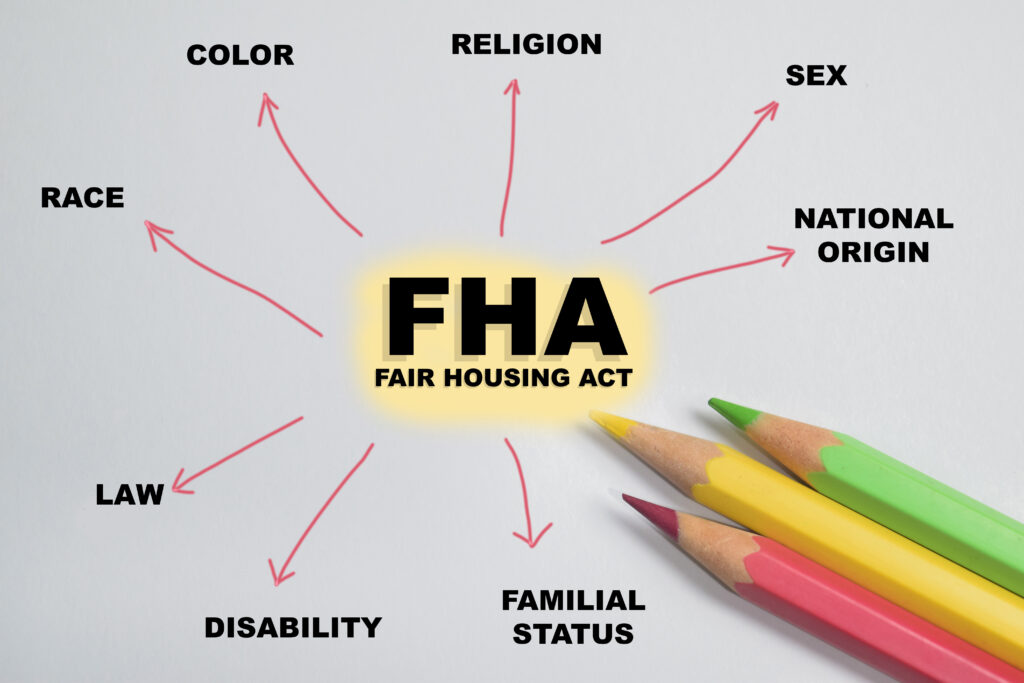
- Fair Housing complaints if standards are inconsistently applied
- Disputes over management accountability
- Difficulty proving when problems were discovered
Clear documentation, consistent screening standards, and timely communication are essential for legal protection.
Best Practices to Prevent Tenant Screening Failures
To reduce risk and maintain compliance, landlords and property managers should follow proven tenant screening best practices. In practice, these steps explain how to prevent tenant screening failures and strengthen compliance.
Tenant Screening Best Practices in South Carolina
- Use written, objective screening criteria
- Apply screening standards consistently to all applicants
- Verify tenant income through an independent employer contact
- Confirm landlord references through public records
- Require certified funds before possession
- Run criminal background checks for tenants where permitted by law
- Document every screening decision and verification step
- Communicate issues immediately to property owners
Consistency is one of the strongest defenses against both fraud and liability.

What Property Owners Should Ask Their Property Manager
Property owners should not assume screening practices are adequate. Asking direct questions protects investments and clarifies expectations. Start with the landlord tenant screening process and how fraud is handled.
Key questions include:
- Do you conduct eviction and criminal background checks?
- How do you verify employment and income?
- Do you require certified funds before move-in?
- How quickly will I be notified of payment failures?
- What fraud prevention measures do you use?
Vague or evasive answers may indicate screening weaknesses.
Why Standards Matter in Property Management
Licensing allows a property manager to operate — it does not guarantee competence.
Professional standards require:
- Knowledge of local fraud patterns
- Understanding of legal screening allowances
- Ability to interpret screening reports
- Prompt, transparent communication
- Accountability for decisions affecting owner outcomes
When standards fall short, trust erodes and risk increases, weakening property owner risk management.
Key Takeaways on Tenant Screening Failures
- Tenant screening failures are a leading cause of rental loss
- Property managers owe fiduciary duties to property owners
- South Carolina law allows robust screening practices
- Ignoring red flags increases legal and financial exposure
- Consistent screening policies protect owners and managers
Final Thoughts: Protecting Property Owners Starts With Screening
Tenant screening is the foundation of risk management in property ownership. When screening fails, losses multiply quickly.
Property owners should expect clear standards, consistent verification, and transparent communication. Property managers must recognize that every screening decision carries legal and financial consequences.
Preventing tenant screening failures protects not only individual properties — it protects the integrity of the property management profession itself.
Tenant screening failures are preventable—but only with the right standards in place.
If you’re concerned about screening practices, fiduciary obligations, or management accountability, legal guidance now can protect your investment later.