Navigating fair housing laws can be complex for landlords. Understanding disparate impact fair housing is crucial in this landscape. Disparate impact refers to policies that unintentionally discriminate against protected groups. This concept is vital for ensuring compliance with fair housing laws.
Landlords must be aware of how their practices might affect different tenant groups. Even without intent, certain policies can lead to discrimination. This can result in legal challenges and penalties.
The U.S. Department of Housing and Urban Development (HUD) enforces these laws. Recent changes in enforcement have made compliance even more critical.
By understanding disparate impact, landlords can create fair and inclusive housing. This not only avoids legal issues but also fosters diverse communities.
Summary
This guide explains how neutral housing policies can create unlawful disparate impacts on protected classes under the Fair Housing Act, even without intent.
It explains the difference between unintentional harm and intentional discrimination. It highlights common areas of risk, including credit and criminal checks, occupancy rules, and job requirements. It also describes how HUD enforces laws and recent federal-level changes that focus less on unintentional harm, while noting the continued responsibilities of states and private entities.
Practical steps include reviewing policies, documenting decisions, training staff, and obtaining legal advice. This helps find less biased options and supports valid business reasons.
The aim is proactive, inclusive practices that reduce legal risk and foster diverse communities.
What Is Disparate Impact in Fair Housing?
Disparate impact in fair housing refers to practices that adversely affect a specific group, without intentional bias. These practices might be neutral in design but lead to inequality.
For example, a policy requiring tenants to meet a minimum income threshold could disproportionately affect minority groups. This occurs even if the landlord did not intend any conscious discrimination.
Several factors make up disparate impact:
- The policy must result in a significant adverse effect on a protected group.
- There must be no substantial, legitimate justification for the policy.
- Alternative practices with less impact should be available.
Understanding these aspects helps landlords recognize potential issues in their policies. Compliance with fair housing laws is crucial. Identifying and addressing disparate impacts early can prevent legal consequences.
By refining their policies, landlords can ensure equitable treatment for all tenants. This not only promotes fairness but also safeguards against legal challenges. A fair housing approach benefits both landlords and their communities.
The Legal Foundation: Fair Housing Laws and Disparate Impact
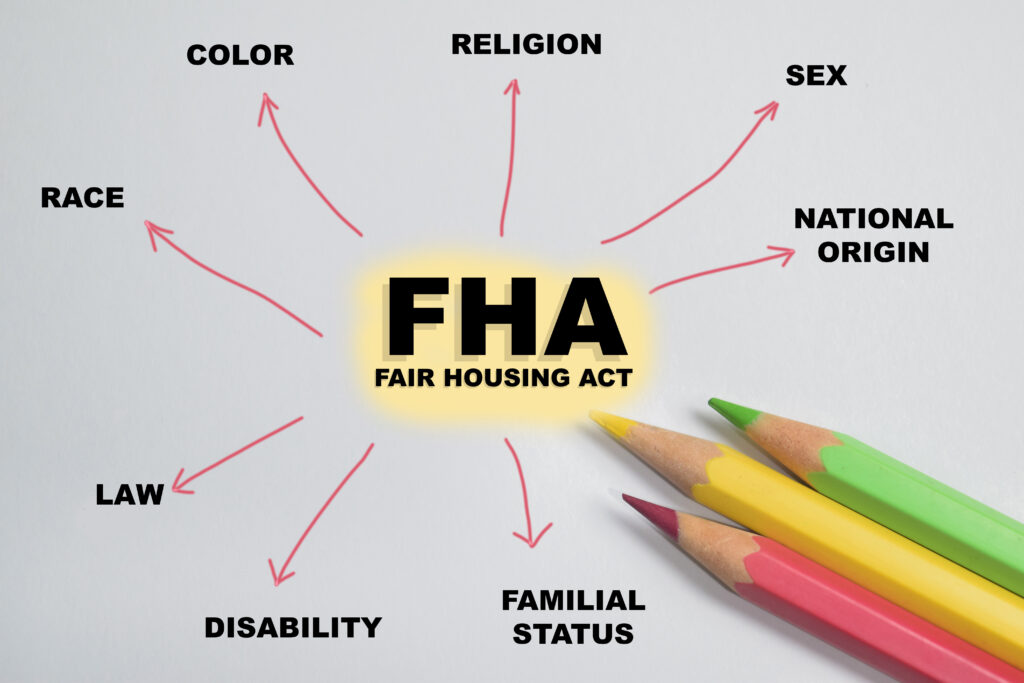
The Fair Housing Act is the cornerstone of preventing discrimination in housing. It explicitly prohibits bias based on race, color, national origin, religion, sex, familial status, or disability. This includes policies that inadvertently create unfair disadvantages.
Disparate impact claims arise when policies affect protected groups without overt discrimination. A tenant screening criterion might unintentionally target a specific demographic. This form of impact provides a broader scope for addressing inequality.
Key elements for understanding fair housing laws include:
- Prohibition against discrimination, intentional or not.
- Recognition of disparate impact as a valid legal challenge.
- Obligations for landlords to justify policies that may seem neutral but have adverse effects.
Knowing these elements empowers landlords to navigate their responsibilities. They can actively work to ensure policies do not violate these foundational principles. Staying informed about fair housing laws helps prevent disputes and fosters a more inclusive housing environment.
How Disparate Impact Differs from Intentional Discrimination
Disparate impact and intentional discrimination differ in how they prove bias. Intentional discrimination involves explicit prejudice in housing decisions, where there’s direct intent to exclude. This form of discrimination is relatively straightforward to identify.
In contrast, disparate impact does not require evidence of intent. It focuses on the outcome of policies that might appear neutral. These policies can disproportionately affect protected classes without overt discriminatory intent.
Key distinctions include:
- Intentional discrimination requires evidence of deliberate bias.
- Disparate impact examines the effects of neutral policies.
- Proof of disparate impact relies on statistical analysis rather than intent.
Understanding these differences helps landlords avoid unintentional violations. It ensures that policies do not inadvertently disadvantage any groups, maintaining fair housing standards.
Common Landlord Practices That May Cause Disparate Impact
Landlords may unknowingly implement practices that result in disparate impact. These practices seem fair but can unfairly affect specific groups. Awareness is the first step to avoiding this risk.
Tenant screening is a common area of concern. Strict credit score requirements may disadvantage minority applicants. Similarly, criminal background checks could unfairly impact certain groups due to systemic issues.
Occupancy limits can also unintentionally discriminate. Policies requiring a certain amount of space per resident might seem neutral but can disproportionately affect large families. Landlords should carefully review these policies.
Rental terms or rules that seem impartial might nonetheless have adverse effects. For example, requirements for professional employment might exclude individuals receiving disability income or those working in the informal sector.
Common concerning practices include:
- Rigid credit score thresholds
- Extensive criminal background checks
- Unreasonably strict occupancy limits
- Employment status requirements
By recognizing these potential pitfalls, landlords can refine their practices. Ensuring policies are equitable will help avoid disparate impact claims and foster inclusive communities.
HUD Disparate Impact Enforcement: What Landlords Need to Know
The U.S. Department of Housing and Urban Development (HUD) plays a crucial role in enforcing fair housing laws. It investigates claims of disparate impact and ensures compliance. Landlords should stay informed about HUD’s guidelines and enforcement practices.
Understanding HUD’s enforcement processes can help landlords avoid legal issues. The department investigates policies that may result in disparate impacts on protected classes. Policies need not be intentionally discriminatory; their effects matter more.
Landlords can better prepare by:
- Reviewing HUD guidance on disparate impact
- Consulting legal experts for compliance advice
- Staying updated on enforcement trends
Remaining proactive about fair housing compliance helps landlords avoid HUD scrutiny. It’s vital for landlords to audit their policies and practices regularly. Legal counsel can help navigate complex fair housing issues and guide necessary changes.
By engaging with HUD’s resources and legal expertise, landlords can ensure fair treatment for all tenants while protecting their own interests.
Federal Fair Housing Enforcement Changes: What the Executive Order Means
Recent changes in federal enforcement, including President Trump’s Executive Order titled “Restoring Equality of Opportunity and Mertiocracy” directing HUD to deprioritize enforcement actions on disparate impact claims, have shifted how agencies approach fair housing investigations — but they have not eliminated liability risks for landlords.

In practical terms, this signals a shift in federal enforcement priorities, with agencies instructed to focus more on clear evidence of intentional discrimination rather than on statistical or unintentional outcomes alone.
Changes in fair housing enforcement have introduced new challenges and opportunities for landlords. Recent amendments to HUD’s disparate impact rules aim to balance industry interests with tenant protections.
These changes include a shift in how HUD assesses the burden of proof in disparate impact cases. Landlords may find it easier to defend their policies if they can demonstrate legitimate business needs and that less discriminatory alternatives are not available.
Key impacts of these enforcement changes:
- Altered burden of proof dynamics
- Enhanced ability to justify business practices
- Greater emphasis on documented evidence
Staying informed about these developments is crucial for landlords. Regularly updating policies helps ensure they align with current requirements. Seeking advice from legal professionals can further ensure policies are compliant and defensible. Such proactive strategies not only minimize legal risks but also help foster equitable housing environments.
What the Executive Order Changes
Under the Executive Order, federal agencies are directed to:
- Step back from aggressive enforcement based solely on statistical disparities
- Review and revise regulations that rely heavily on disparate impact theories
- Prioritize cases involving intentional discrimination
This means that, at the federal level, landlords may face fewer enforcement actions when neutral policies unintentionally affect protected classes — absent evidence of discriminatory intent.
What the Executive Order Does Not Change
Despite the shift in federal enforcement priorities, fair housing obligations remain firmly in place:
- Intentional discrimination remains illegal.
- Landlords must continue to comply fully with the Fair Housing Act and all anti-discrimination laws.
- State and local fair housing laws still apply.
- Many states maintain strong disparate impact protections that are not affected by federal enforcement changes.
- Private lawsuits are still possible.
- Tenants and advocacy groups may still pursue disparate impact claims through private litigation.
- Future administrations may reverse course.
- Executive Orders are not permanent and can be changed with new leadership.
This clarification preserves credibility and avoids any implication that the risk of disparate impact has disappeared.
Steps for Landlord Fair Housing Compliance
Landlord fair housing compliance begins with understanding pertinent laws. Familiarity with both federal and local regulations ensures a solid foundation for property management practices.
Next, landlords should implement fair and consistent tenant screening processes. This involves creating clear criteria that apply uniformly to all applicants, reducing the risk of disparate impact claims.
Ongoing education and training for landlords and property managers are crucial. Keeping abreast of fair housing laws and enforcement changes helps maintain compliance and prevent inadvertent discriminatory practices.
Practical steps for compliance include:
- Regular policy audits and updates
- Consistent documentation of leasing decisions
- Open lines of communication with tenants
Additionally, consulting legal experts is advisable. These professionals can provide invaluable insights into potential vulnerabilities and help refine policies. By taking these steps, landlords can avoid legal pitfalls and contribute to fair and inclusive housing communities. A proactive approach to compliance is not only a legal obligation but also a key factor in building trust and positive tenant relationships.
Real-World Scenarios: Disparate Impact in Action
Disparate impact can arise in everyday rental practices. Consider a landlord who implements a policy limiting the number of occupants in a unit, intending to preserve the property’s condition. However, this rule might disproportionately affect families with children, potentially leading to claims of discrimination based on familial status.
Another example is the use of criminal background checks in tenant screenings. While landlords aim to secure safe communities, these checks might inadvertently exclude racial minorities at higher rates, triggering disparate impact issues.
Common scenarios where disparate impact may occur include:
- Strict credit score requirements
- Blanket policies against prior evictions
- Occupancy standards limiting children
Analyzing these scenarios helps landlords identify potential issues in their policies. By proactively addressing them, landlords can reduce the risk of disparate impact claims, fostering a fairer, more inclusive housing environment for all prospective tenants.
Best Practices for Landlords to Avoid Disparate Impact Claims
Even with changes in federal enforcement priorities, consistent compliance practices remain essential, particularly given ongoing state-level enforcement and private litigation risks.
To prevent disparate impact claims, landlords should implement equitable and transparent practices. Regular reviews of rental policies and procedures can help identify potential issues affecting protected groups. It is essential to base tenant selection on objective criteria to ensure fair treatment for all applicants.
Consider incorporating these best practices:
- Regularly update tenant screening criteria
- Document decision-making processes thoroughly
- Provide training on fair housing laws
Engaging with legal professionals experienced in fair housing laws is wise. They can offer valuable insights and guidance on maintaining compliance. By fostering an inclusive environment and ensuring policies are non-discriminatory, landlords can promote diverse communities and avoid legal challenges related to disparate impact.
Conclusion: Building Inclusive and Compliant Housing Communities
Creating fair and equitable housing communities requires a proactive approach. Landlords have a responsibility to ensure their policies align with fair housing laws and are free of unintentional discrimination. Understanding disparate impact and its implications is crucial in fostering inclusive environments.
By continuously educating themselves and their staff, landlords can stay informed about legal changes and best practices. Consistent policy reviews and transparent communication with tenants are also key. These efforts not only mitigate the risk of legal challenges but also help build diverse, welcoming communities where all individuals are treated fairly and with dignity.
While federal enforcement priorities may fluctuate, fair housing compliance is not optional. Disparate impact remains a real risk for landlords through state enforcement and private lawsuits, making proactive policy review, documentation, and consistency more important than ever.
Through commitment and diligence, landlords can foster lasting positive change.
At Matejka Law, we help landlords and property managers assess fair housing risks, review tenant screening policies, and adapt to evolving enforcement priorities with confidence and clarity.