Ensuring building safety is not just good property management—it is a legal responsibility and a key factor in managing premises liability for landlords. For South Carolina landlords and property managers, maintaining safe rental properties plays a critical role in protecting tenants, visitors, and your financial investment while reducing exposure to premises liability claims. A proactive building safety checklist —often referred to as a rental property maintenance checklist—helps identify hazards before they lead to injuries, disputes, or legal action. From common areas and emergency systems to maintenance records and accessibility compliance, safety oversight is one of the strongest tools landlords have to protect both people and property.
May is National Building Safety Month, making it an ideal time to review your properties and ask an important question:
Is your property truly prepared to protect tenants, guests, and your bottom line?
This legal-focused Building Safety Checklist is designed to help landlords and property managers:
- Reduce premises liability for landlords by identifying hazards before they lead to injuries or claims
- Maintain compliance with South Carolina landlord tenant law
- Standardize safety practices across rental properties
- Use a consistent rental property maintenance checklist to identify safety and habitability issues early
- Document due diligence to strengthen legal defenses
A well-maintained property is the foundation of tenant safety. Regular inspections should be scheduled to assess the overall condition of the building, including structural integrity, roof and foundation issues, pest concerns, and the condition of windows and doors. Properties should also be evaluated for hazards that commonly lead to slips, trips, and falls—one of the most frequent sources of injury claims.
A downloadable, fillable version of this checklist is available below to help you document inspections and demonstrate due diligence. The checklist outlines key safety areas every landlord and property manager should address to remain proactive, compliant, and protected.
Download the Building Safety Checklist
To help landlords and property managers stay proactive, we’ve created a printable, fillable Building Safety Checklist to document inspections, repairs, and compliance efforts.
This checklist is designed to support:
- Routine property inspections
- Premises liability risk reduction
- Documentation of due diligence
- Consistent safety practices across properties
Download the Building Safety Checklist (PDF)
This downloadable checklist functions as a practical rental property maintenance checklist landlords and property managers can use during routine inspections. Keep it with your maintenance records, and update it regularly as part of your property management process.
Preventing injuries and addressing hazards early isn’t just good management—it’s a strong legal defense. Proper documentation and consistent safety practices can make a meaningful difference if a dispute or claim arises.
If you have questions about liability risks, safety compliance, or landlord-tenant obligations, Matejka Law can help you review your policies and strengthen your protection plan.
Building Safety Checklist: Inspecting Common Areas
Common area injuries are one of the most common sources of premises liability for landlords, making regular inspections and prompt repairs essential.
- Check for loose handrails, uneven walkways, cracked pavement, and trip hazards
- Inspect stairwells and exits for proper lighting and clear, visible signage
- Ensure pools, gyms, laundry rooms, and recreation areas meet applicable safety standards
- Address slip-and-fall risks promptly, especially in high-traffic areas
Under South Carolina landlord-tenant law, landlords have a duty to maintain safe common areas and address known hazards in a timely manner.
Building Safety Checklist for Emergency and Life-Safety Systems
Life-safety systems are a core compliance issue under South Carolina landlord-tenant law and building codes. They are not optional — it is a legal requirement.
- Test smoke detectors, carbon monoxide alarms, and fire extinguishers
- Confirm emergency exits are accessible, unobstructed, and clearly marked
- Update fire escape and evacuation plans and post them where required.
- Consider conducting regular fire drills.
- Replace expired or malfunctioning safety equipment immediately
Note that smoke detectors must be installed in every unit and in communal areas. Fire extinguishers should be placed in easily accessible locations, and tenants should be informed about their use.
Failure to maintain life-safety systems can significantly increase liability exposure.
Building Safety Checklist for Property Maintenance and Repairs
Deferred maintenance often leads to preventable injuries, habitability concerns, and legal disputes, which is why every landlord should follow a consistent rental property maintenance checklist. Routine upkeep is a critical part of reducing premises liability and maintaining compliance with landlord-tenant obligations.
- Maintain landscaping to keep walkways and emergency access routes clear
- Service HVAC systems regularly—especially before periods of extreme heat or cold
- Inspect electrical systems to prevent hazards such as short circuits or overloaded outlets
- Ensure all wiring is up to code and that no exposed wires are present
- Check plumbing systems for leaks, blockages, and water pressure issues
- Address water leaks, mold concerns, and structural issues as soon as they are identified
Maintenance delays are frequently cited in premises liability for landlords. Maintenance failures can also raise habitability concerns under South Carolina landlord-tenant law.

Building Safety Checklist for Security and Access Control
Security is a critical component of tenant safety. Landlords and property managers must ensure that reasonable security measures are in place and functioning correctly.
- Ensure all locks and controlled access points are secure and operational
- Maintain adequate lighting in parking areas, entrances, and common spaces
- Consider security cameras in common areas where appropriate
- Encourage tenants to report suspicious activity and respond promptly
Clear security policies and a timely response to concerns help reduce risk and support a safer living environment.
Documentation and Due Diligence
Thorough documentation is one of the strongest defenses against premises liability for landlords if a claim or dispute arises.
- Keep dated inspection logs and maintenance records
- Photograph repairs, upgrades, and safety improvements
- Retain vendor invoices and work orders
- Communicate safety updates and repairs to tenants clearly and promptly
If a dispute arises, thorough records demonstrate due diligence and responsible management.
Using a rental property maintenance checklist—like the downloadable Building Safety Checklist provided above—helps ensure consistency and strengthens your legal defense.
Stay Fair Housing and ADA Compliant
Safety and accessibility go hand in hand with compliance.
- Ensure accessibility features such as ramps, elevators, and handrails are properly maintained
- Respond appropriately and consistently to reasonable accommodation requests
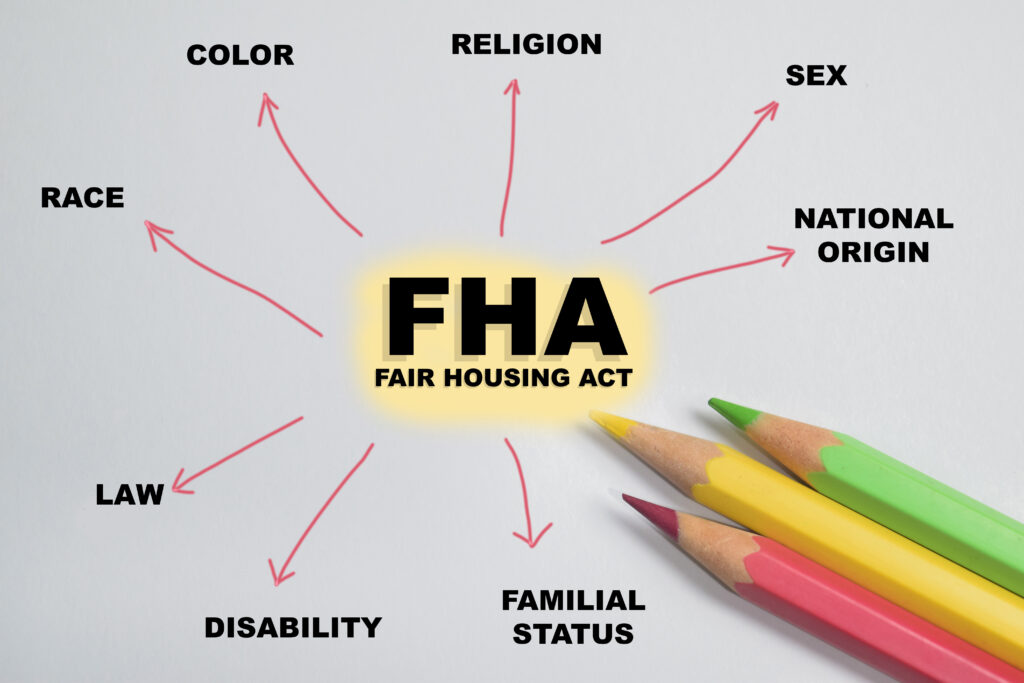
- Apply policies uniformly to avoid discrimination claims
Failure to maintain accessibility features can lead to both safety issues and legal exposure. Accessibility and accommodation obligations are enforced alongside South Carolina landlord-tenant law and federal housing regulations.
Familiarize yourself with the relevant South Carolina landlord-tenant laws to ensure compliance. This includes understanding your responsibilities regarding property maintenance, tenant rights, and safety regulations. Staying informed about legal requirements helps protect you from potential legal disputes and enhances your credibility as a landlord or property manager.
Tenant Communication
Effective communication with your tenants is vital in maintaining a safe and harmonious living environment. Keep an open line of communication for tenants to report maintenance issues or safety concerns. Regularly update tenants on any changes or repairs being undertaken and provide them with safety tips and guidelines.
By adhering to this rental property safety checklist, landlords and property managers can effectively minimize premises liability and ensure a safe environment for their tenants. Regular maintenance, compliance with legal standards, and proactive communication are the cornerstones of successful property management. This not only protects your investment but also fosters trust and satisfaction among your tenants.
Why Building Safety Is Also a Legal Strategy
Preventing injuries and hazards isn’t just good property management—it’s a strong legal defense under South Carolina landlord-tenant law. Many landlord-tenant disputes, injury claims, and code enforcement issues stem from lapses in routine safety practices that could have been addressed early.
A proactive approach helps:
- Reduce premises liability claims
- Strengthen defenses in tenant disputes
- Demonstrate compliance with landlord-tenant obligations
- Protect long-term property value
Final Thoughts
National Building Safety Month is a timely reminder that safety, compliance, and risk management are ongoing responsibilities—not one-time tasks. By following a consistent building safety checklist and documenting your efforts, landlords and property managers can protect tenants while also protecting their investments.
For landlords and property managers looking to formalize their safety process, the downloadable Building Safety Checklist is a practical tool to support compliance and reduce liability. Matejka Law can help you review liability risks, safety policies, and tenant procedures to strengthen your overall protection plan. Proactive legal guidance today can prevent costly disputes tomorrow.