Renting a home should mean having your own private space where you feel safe and secure. But what happens if a landlord arrives without notice or enters the rental unit unexpectedly? Situations like this often leave tenants uncertain about their legal rights and wondering, “What are my privacy rights as a tenant?”
Renters have certain legal protections under state law that address privacy and property access. These protections help balance the landlord’s need to maintain a property with the tenant’s right to live peacefully and privately. When conflicts arise or rights appear to be violated, a landlord-tenant attorney in Greenville, SC, may help explain available legal options.
When To Contact a Landlord-Tenant Attorney
Sometimes, tenant-landlord disputes go beyond simple misunderstandings and require professional legal help. A landlord-tenant attorney can provide guidance in several situations.
Tenants and landlords sometimes seek legal guidance when disputes involve eviction proceedings, alleged lease violations, ongoing maintenance issues, or disagreements over security deposits. Concerns about property access, privacy violations, or misunderstandings about legal responsibilities may also lead to legal questions.
An attorney may review your lease, evaluate whether a landlord’s actions could violate South Carolina landlord-tenant law, communicate with the landlord on your behalf, and represent you in court if necessary.
The Basics of Tenant Privacy Rights
While landlords own the property, tenants have the legal right to live in the space without unnecessary interference. Landlords still have legitimate responsibilities to maintain the property and protect their investment. However, they must balance them with tenant privacy rights.
These rules help ensure tenants feel secure in their homes while still allowing landlords to perform necessary maintenance or inspections.
Many tenants wonder, “What are my privacy rights as a tenant?” and what landlords can’t do when it comes to entering or managing a rental property. While each situation is unique, certain actions may raise legal concerns if they interfere with tenant privacy.
Examples of actions that may violate tenant rights include:
- Entering the property repeatedly without reasonable notice.
- Using entry as a form of harassment or pressure.
- Changing locks or removing belongings without proper legal procedures.
- Shutting off utilities to force a tenant to move.
Your Right to Quiet Enjoyment Matters
South Carolina law recognizes a tenant’s right to quiet enjoyment, which extends beyond noise levels. It means you have the right to live in your rental property without unnecessary interference from your landlord or others acting on their behalf. If a landlord repeatedly enters a unit without proper notice or engages in harassment, tenants may have legal options under South Carolina law.
Lease agreements often reinforce this protection, helping tenants maintain a sense of stability in their living space.
When Can Your Landlord Enter Your Rental?
Tenants often ask about landlord access laws in addition to “What are my privacy rights as a tenant?” South Carolina rules regarding entry are somewhat less specific than in other states, but that doesn’t mean landlords have unlimited access.
Generally, landlords need a legitimate reason to enter your rental unit. This could be for:
- Repairs or maintenance
- Inspections
- Real estate showings
- Emergencies involving safety or property damage
The key issue is notice. Some leases specify the landlord’s entry notice requirements. Many leases require 24 to 48 hours of advance notice, except in emergencies.
Steps To Take When Your Landlord Violates Your Privacy Rights
If you believe your landlord violated your privacy rights, your lease agreement is your first line of defense. Read it carefully to see what it says about entry procedures.
Documentation can support your case. Keep a log of the date, time, reason given, and whether you received adequate notice every time your landlord enters. Save all communications with your landlord, including text messages, emails, and written notices.
Speak With Matejka Law LLC About Tenant Rights
Local laws and lease terms may vary, which is why accurate information is important. When privacy concerns escalate or disputes become difficult to resolve, professional legal guidance may provide helpful clarity.
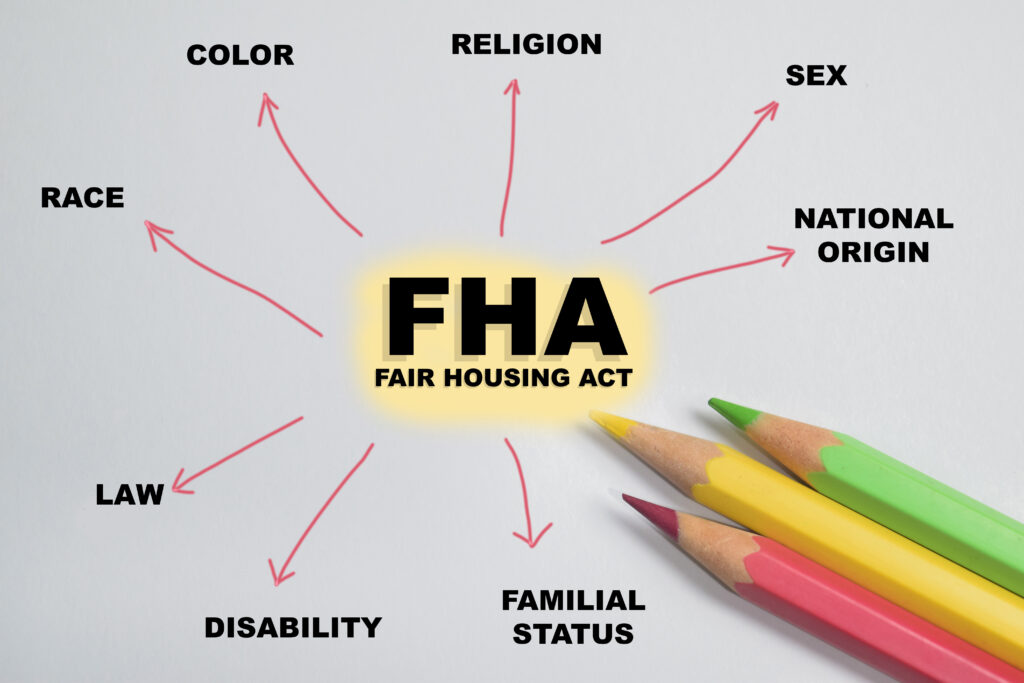
It’s important to ask, “What are my privacy rights as a tenant?” when renting, since information helps you make better decisions about your living situation. While these rights aim to protect all tenants equally, understanding disparate impact reminds us that some rental policies or practices may affect certain groups of tenants more than others. It’s important to be clear about the law and how it applies to you.
At Matejka Law LLC, we understand privacy and peace of mind are important. If you’re facing a tenant-related legal issue, we may be able to assist. Call (864) 527-6800 to discuss your situation.