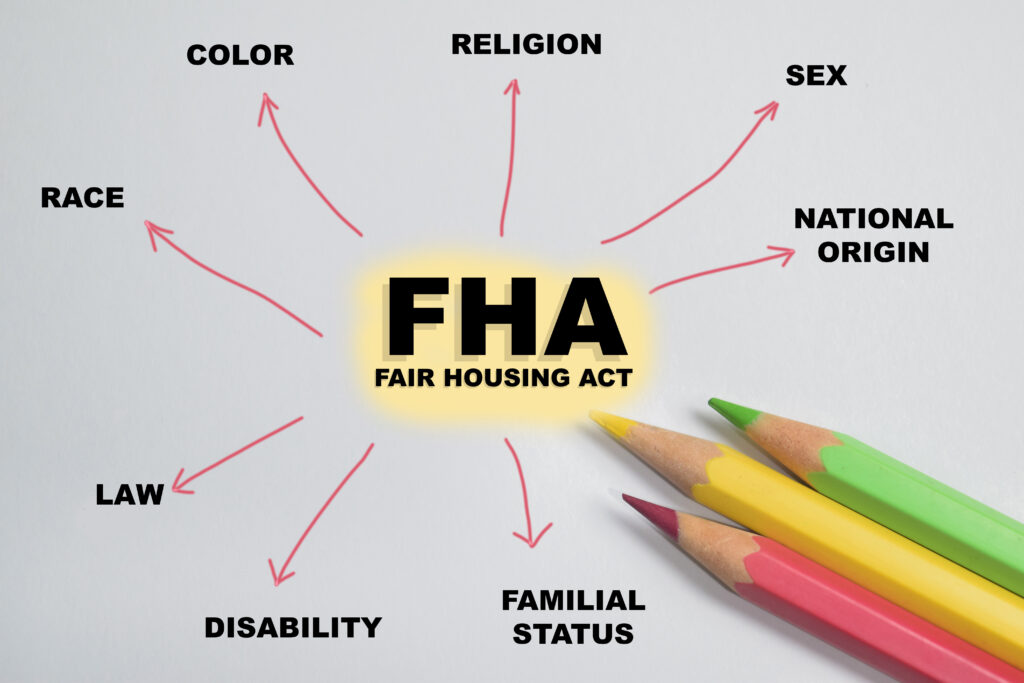
Tenant screening is the cornerstone of successful property ownership and a critical component of landlord risk management. When tenant screening issues arise, the consequences extend far beyond a single lease decision.
It establishes trust between landlord and tenant and serves as the first line of defense against tenant screening risks, including fraud, unpaid rent, and legal exposure.
When it fails, losses increase rapidly.
Today’s screening environment is far more dangerous than it was even a decade ago.
Landlords are facing challenges from rising tenant application fraud and concerns about complying with fair housing rules. Many people are saying that tenant screening fees are unnecessary, which puts landlords in a tough spot. They still have to cover the real costs of screening tenants.
The system claims to protect tenants, yet increasingly exposes property owners to financial and legal harm.
Landlords are now expected to spot fraud, check income, prevent discrimination, and handle chargebacks. They often have little guidance and experience inconsistent enforcement.
This expands landlord screening liability and heightens landlord risk when denying applications. Understanding these challenges is the first step. Implementing defensible screening strategies and best practices for tenant screening is the only way forward.
This guide explains common tenant screening issues and offers solutions. These solutions help ensure compliance and protect property investments.
What Is Tenant Screening Fraud?
Tenant screening fraud occurs when a person misrepresents their identity, income, rental history, or intent to occupy a property. They do this to obtain housing they would not otherwise qualify for.
Such fraud can result in financial loss from bad tenants and costly disputes.
In South Carolina, tenant screening fraud can lead to unpaid rent, eviction problems, Fair Housing issues, and financial losses for landlords and property managers.
This includes money lost due to bad tenants.
Why Tenant Screening Matters for Landlords
Effective tenant screening is not optional—it is risk management.
A thorough screening process helps landlords:
- Identify financially reliable tenants
- Reduce rent defaults and property damage
- Minimize turnover and eviction costs
- Establish defensible, consistent approval standards aligned with best practices for tenant screening
Screening also plays a critical legal role. Objective, well-documented screening decisions protect landlords from Fair Housing complaints and discrimination claims while reducing landlord screening liability. When done correctly, screening benefits landlords, tenants, and the surrounding community. Furthermore, understanding your legal repair responsibilities helps prevent costly disputes during the tenancy.
The Most Common Tenant Screening Issues Landlords Face
Tenant screening issues are rarely the result of a single mistake. They occur when fear, fraud, and inconsistency collide.
The most common issues include:
- Fear of discrimination claims and Fair Housing enforcement
- Fraudulent identities and falsified documents
- Application fee disputes, chargebacks and fraud disputes
- Inadequate verification of landlords and employers
Each of these mistakes puts landlords at risk of legal issues, financial losses, and reputational damage, thereby increasing their overall liability during the screening process.
Fear of Discrimination Claims and Fair Housing Compliance
Fair Housing fear is real—and it is diluting screening standards. These fair housing compliance fears can derail even well-designed processes.
More and more landlords are hesitant to say “no.”
Many stop investigating red flags altogether because they fear being accused of discrimination. This is not due to incompetence; it is due to a lack of support and inconsistent enforcement.
We tell landlords to “screen everyone the same,” but rarely explain what to do when an applicant raises red flags. Do you dig deeper and risk being accused of bias? Or approve and risk fraud—or increase landlord risk when denying applications without clear documentation?
With limited guidance and uneven enforcement, many landlords choose the path of least resistance. That decision almost always leads to bad tenants and worse outcomes.
The solution is not weaker screening—it is consistent, objective screening.
Best practices for tenant screening include:
- Written screening criteria applied to all applicants
- Objective factors such as income verification, rental history, and credit
- Documentation of every decision and documentation of red flags
- Regular Fair Housing training and policy updates
Consistency—not leniency—is the strongest Fair Housing defense.
ID Verification and Preventing Tenant Application Fraud
Fraud isn’t just occasional anymore; it’s a constant occurrence.
Landlords now face fake pay stubs, made-up identities, fake bank statements, and documents from fake “income verification” services that are scams.
I worked on a case with the sheriff’s office about a woman who used stolen identities to rent homes in South Carolina. She then illegally sublet these homes without ever living in them herself. She operated a business out of Miami and trained others to do the same across multiple states.
The courts permitted forged signatures, resulting in delays of several months in evictions. During this time, no rent was collected, and the properties suffered damage, leaving the owners devastated.
This is why ID verification must be layered, not assumed.
Effective ID verification includes:
- Digital identity verification tools
- Cross-referencing multiple data sources
- In-person photo ID confirmation when possible
- Checking documents for formatting and data errors.
Technology helps—but human verification is still essential. Combining layered screening tools with trained review reduces avoidable errors and fraud. You should also be prepared for complex issues like tenant bankruptcy, which can immediately halt your collection efforts.

Application Fee Justification During Tenant Screening
Recent media narratives—including commentary by Past President Biden—have labeled application fees as “junk fees.” That framing is not only inaccurate—it is dangerous. Clear fee disclosures explain application fees for tenant screening and justify them with the actual screening costs for landlords.
Application fees fund one of the most labor-intensive processes in property management. Proper screening requires:
- Cross-referencing databases
- Verifying income and employment
- Calling landlords and employers
- Finding inconsistencies and signs of fraud.
This is investigative work. When you are protecting a six-figure asset—and the stability of a neighborhood—that fee is justified.
Clear disclosure, written policies, and consistent enforcement are the best ways to prevent problems, chargebacks on application fees, and fraud issues.
Verifying Landlords and Employers: Avoiding False References
False references are one of the easiest ways fraud slips through screening.
Verifying landlords and employers now requires more than making a phone call. Landlords must confirm that a “former landlord” is not a friend posing as one—and that the leaseholder is not using the property for an illegal sublet.
Best practices include:
- Googling employers and calling publicly listed numbers
- Verifying property ownership through public records
- Asking strategic, open-ended questions—not yes/no prompts
- Confirming who actually occupied the property
Proper verification prevents fraud, strengthens documentation, and protects future enforcement actions.
Use Multiple Verification Methods (Layered Screening)
No single screening tool is foolproof. Using layered screening tools significantly reduces tenant-related risk and strengthens Fair Housing compliance.
Effective screening includes:
- Credit checks
- Criminal background checks (where permitted)
- ID verification
- Rental history confirmation
- Fraud detection tools
- Public record searches
Additionally:
- Always verify landlord and employer information independently.
- Require a valid, matching photo ID
- When possible, require in-person interaction—scammers avoid face time
Layered screening protects landlords by revealing patterns that individual tools miss.

Tenant Screening Key Takeaways for Landlords
- Tenant screening issues are a leading cause of eviction and loss
- Fraud and Fair Housing fears now drive most screening mistakes
- Objective, consistent screening is legally defensible and reduces landlord screening liability
- Documentation protects landlords from discrimination claims and supports the documentation of red flags
- Layered verification is essential in today’s rental market
Final Thoughts: Tenant Screening Is Risk Management
Tenant screening is legal, but doing it incorrectly can be costly.
Fraud, Fair Housing confusion, and court delays have made screening one of the highest-risk aspects of property ownership.
A strong lease starts with a solid application and a careful screening process. This helps reduce the risk of losing money from problematic tenants.
Landlords should not navigate this alone.
How Matejka Law Helps Landlords Stay Protected
Matejka Law offers help with tenant screening, Fair Housing advice, eviction cases, and handling fraud in leases. Our services are grounded in real property management experience and South Carolina law.
We help landlords create risk management plans, use good practices for tenant screening, and keep clear records of any issues. This strengthens compliance and improves results.