Tenant Application Fraud: A Growing Threat to Modern Tenant Screening
Tenant screening has always been the cornerstone of successful property management. It’s where trust begins between landlord and tenant—and where, frankly, most of your future headaches can be avoided. In recent years, however, tenant application fraud has escalated into a daily challenge for landlords and property managers, often resulting in unpaid rent, property damage, and prolonged legal disputes.
This problem goes far beyond the occasional fake pay stub. Today’s rental market faces a sophisticated and organized industry of bad actors who exploit housing systems through falsified documents, stolen identities, and coordinated fraud schemes designed to bypass traditional screening methods.
In 2026, understanding how to detect tenant application fraud while complying with Fair Housing Laws is more critical than ever.
This guide explains the most common fraud tactics, outlines landlord rights and legal responsibilities, and provides practical, defensible screening strategies that help landlords protect their properties without violating housing discrimination laws.
The Impact of Tenant Application Fraud
Tenant Application Fraud Statistics and Industry Trends
Tenant application fraud is a growing concern nationwide.
Industry studies estimate that approximately 30% of rental applications contain false or misleading information, exposing landlords to significant financial and legal risk.
As fraud tactics become more sophisticated, landlords who rely on surface-level screening are increasingly vulnerable.
Understanding current fraud trends helps landlords recognize risk earlier and implement screening practices that are both effective and legally compliant.
The Real Cost of Tenant Application Fraud
Fraudulent tenants often:
- Stop paying rent within weeks of move-in
- Cause significant or intentional property damage
- Use appeals and procedural loopholes to delay eviction for months
- Leave landlords responsible for thousands of dollars in legal fees and lost rental income
This isn’t just a landlord’s problem. Every fraudulent tenancy increases risk across the rental market, driving housing costs higher for responsible tenants as property owners are forced to raise rents to offset losses.
Common Types of Tenant Application Fraud
Understanding how fraud occurs is the first step toward preventing it.
- Fake Document Submission – Entire websites exist solely to produce convincing fake documents for a fee, including pay stubs, bank statements, tax returns, and employment verification letters that appear legitimate at first glance.
- Fake Pay Stubs – Falsifying income is one of the most common forms of tenant application fraud. Applicants may inflate earnings, alter employer information, or submit fabricated payroll documents to meet income requirements.
- Fake Employment Letters – Applicants submit forged employment verification letters or list friends or accomplices as employers to falsely confirm job status, salary, and length of employment.
- False Rental Histories – Applicants provide inaccurate or completely fabricated rental histories, including fake landlord references, incorrect addresses, or omitting prior evictions, lease violations, or unpaid balances.
- Synthetic Identities – Criminals combine real information (such as a valid Social Security number) with fabricated details like a false name, address, or employment history to create a “new” identity that can pass many automated screening systems.
- Stolen Identities – Personal information from an unsuspecting victim is used to apply for housing. Victims often don’t discover the fraud until they receive collections notices, eviction filings, or court summons tied to a property they never occupied.
- Fraud Rings – Organized groups coordinate tenant application fraud at scale, often submitting multiple applications across different properties using shared fake documents, stolen identities, or synthetic profiles to secure housing for profit or illegal occupancy.
In one SC case I personally worked with law enforcement on, a single individual used multiple stolen identities to rent from multiple landlords, then illegally sublet properties to others while never taking possession herself.
This type of coordinated fraud demonstrates why tenant application fraud is rarely an honest mistake—and why early detection is essential.

When Tenant Application Fraud Requires Legal Action
Fraud rings and identity-based application fraud often require immediate legal intervention. When landlords discover coordinated fraud, delayed rent, or illegal subletting, early legal guidance can limit financial loss and prevent procedural mistakes that complicate eviction or recovery.
Matejka Law works with landlords and property managers to evaluate fraud-related risks, coordinate lawful next steps, and determine whether eviction, lease enforcement, or law enforcement involvement is appropriate.
Tenant Application Fraud and Fair Housing Compliance
Overview of Housing Discrimination Laws
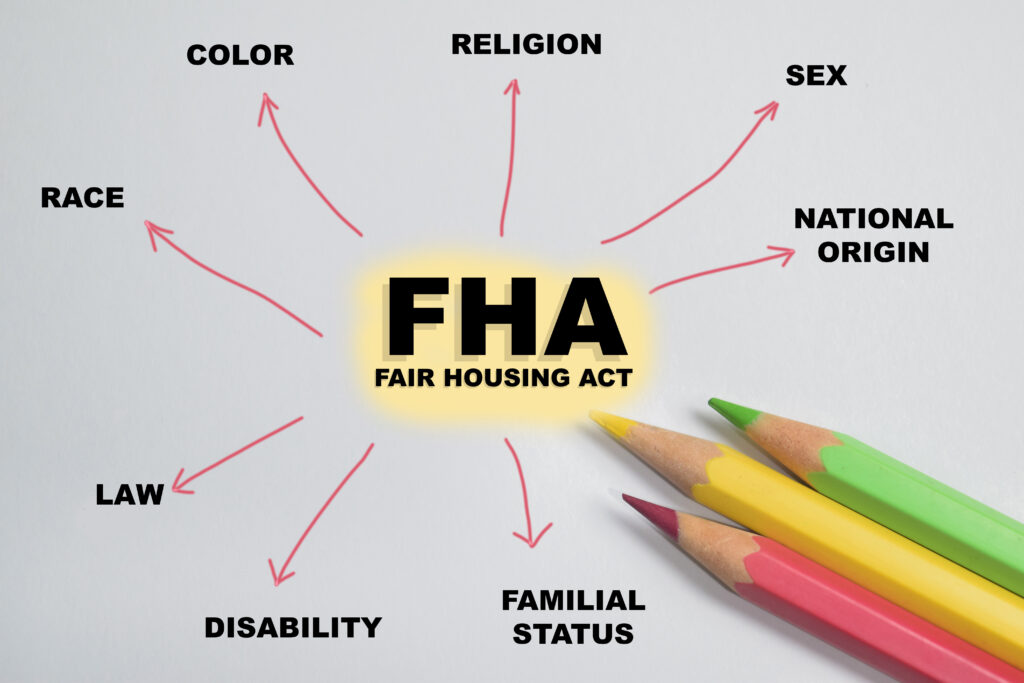
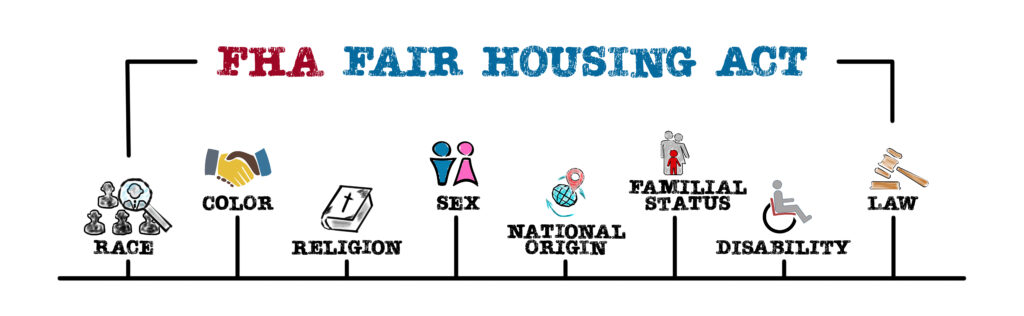
Fair Housing Laws help stop discrimination against people looking to rent homes. They protect against unfair treatment based on race, color, where someone comes from, religion, gender, family status, or disability. These laws apply to every stage of the rental process, including advertising, application review, tenant screening, and lease enforcement.
Landlords who fail to comply face serious legal consequences, including fines, lawsuits, and reputational damage.
How Fair Housing Laws Apply to Tenant Screening
Landlords must conduct tenant screenings in compliance with Fair Housing Laws. This means making sure that the rules used to evaluate tenants are fair and consistent.
Landlords must apply objective, consistent screening criteria to every applicant. Screening decisions cannot be based on assumptions, stereotypes, or selective enforcement. They should not be biased against any protected groups.
Treating applicants “the same” does not mean blind trust. Screening must be thorough, uniform, and well-documented to protect landlords from fraud while also defending against discrimination claims.
Protecting Yourself from Fair Housing Claims
Even when fraud is present, improper screening or inconsistent enforcement can expose landlords to Fair Housing complaints. Clear policies, consistent documentation, and legally sound screening criteria are essential.
Matejka Law assists landlords with screening policy reviews, Fair Housing compliance audits, and defensible documentation practices designed to reduce legal exposure.
Landlord Rights and Responsibilities
Understanding Tenant Screening Laws
Landlords have the legal right to screen tenants to assess reliability, financial stability, and risk. However, this right comes with the responsibility to follow federal, state, and local tenant screening laws.
Failure to apply screening standards consistently—or failure to document decisions—can expose landlords to Fair Housing complaints even when fraud is present.
Best Practices for Complying with Fair Housing Laws
To remain compliant, landlords should:
- Use written screening criteria
- Apply the same standards to every applicant
- Maintain accurate records of verification and decisions
- Avoid subjective or inconsistent approval practices
Consistency is one of the strongest legal protections a landlord can have.
Strategies to Prevent Rental Application Fraud
Effective Tenant Background Checks
A comprehensive background check evaluates the applicant’s credit history, verified income, rental history, and legally permissible criminal background information. Together, these factors help landlords assess financial reliability, housing stability, and risk exposure.
Modern tenant screening platforms and electronic application systems can streamline this process by securely collecting applications, performing background checks, running reports, and flagging inconsistencies. While technology improves efficiency, it should support—not replace—human verification.
Practical Tenant Verification Steps Landlords and Property Management Companies Should Follow
Even the best screening software cannot replace human verification. Landlords and property managers should consistently apply the following verification practices to reduce fraud risk while remaining compliant with Fair Housing Laws:
- Always Verify Landlord References – Do not rely solely on the phone number provided on the application. Look up property ownership records and confirm that the reference is a legitimate landlord or property manager.
- Verify Employment with a Direct Call – Contact the employer using the company’s publicly listed phone number, not the number supplied by the applicant.
- Match ID to Face in Person – Require in-person photo identification verification before lease signing to confirm the applicant’s identity matches submitted documents.
- Cross-Check Documents – Compare pay stubs, bank statements, and application details for inconsistencies in formatting, dates, income amounts, or employer information.
- Document Every Step – Maintain detailed records of screening decisions and verification steps. If an application is denied, documentation is essential for defending against Fair Housing complaints, disputes, or payment chargebacks.
Turn Best Practices Into a Defensible Screening Policy
Verification steps are only effective when they are applied consistently and supported by written policy. Informal or undocumented screening practices often fail under legal scrutiny—even when fraud is proven.
Matejka Law helps landlords convert best practices into enforceable screening policies, tenant application standards, and internal procedures that hold up in court.
Training Staff for Consistency and Compliance
Landlord and property management staff training is a critical but often overlooked component of preventing rental application fraud.
Employees responsible for tenant screening should be trained to recognize common fraud indicators, consistently follow verification procedures, and consistently apply screening criteria.
Well-trained staff reduce the risk of both fraudulent approvals and Fair Housing violations—protecting landlords from financial loss and legal exposure.
Conclusion
Tenant application fraud presents serious and growing challenges for landlords and property managers in 2026.
Fraudsters are creative, persistent, and increasingly bold. Landlords who rely on outdated or inconsistent screening practices are the most vulnerable.
By understanding Fair Housing requirements, implementing comprehensive screening procedures, and maintaining consistent verification standards, landlords can protect their properties while ensuring fair housing for all applicants.
Professional property managers and landlord-tenant attorneys can help identify red flags early, strengthen screening policies, and prevent costly disputes before they escalate.
Summary of Key Takeaways
- Tenant application fraud is common and more advanced than before.
- Fair Housing Laws mandate consistent and unbiased screening methods.
- Thorough background checks and human verification are crucial.
- Proper documentation helps safeguard landlords from fraud and discrimination allegations.
Next Steps for Landlords and Property Managers
Landlords should proactively implement the best practices outlined in this guide to strengthen screening procedures, maintain Fair Housing compliance, and reduce exposure to tenant fraud.
Staying informed and adapting to evolving fraud tactics is essential to protecting rental properties and long-term investment value.
How Matejka Law Helps Landlords Stay Protected
Tenant application fraud and Fair Housing compliance are closely connected. One misstep—whether approving the wrong tenant or denying the right one incorrectly—can lead to financial loss or legal action.
Matejka Law provides landlord-focused legal services including tenant screening compliance guidance, eviction litigation, fraud-related lease enforcement, and proactive policy development. Our approach is grounded in real-world property management experience and South Carolina law.
Matejka Law Landlord Legal Services Related to Tenant Fraud
- Tenant screening policy reviews
- Fair Housing compliance guidance
- Eviction filings and defense
- Lease enforcement and fraud-related disputes
- Risk audits for property managers