Preparing a rent increase can raise legal questions, especially when landlords are unsure about notice requirements or lease timing. One common question renters often ask is, “How often can a landlord raise rent under South Carolina law?”
If you are searching for a landlord-tenant attorney in Goose Creek, SC, this guide from Matejka Law LLC explains what South Carolina law allows and addresses notice and timing rules.
How Often Can a Landlord Raise Rent Under Current Law?
Without a statewide cap on annual rent increases, landlords in South Carolina can generally raise rent as often as the lease allows. For a fixed-term lease, such as a one-year agreement, rent cannot change until the contract ends unless the terms specifically allow for an adjustment. Once the lease is up for renewal, a landlord may propose a new rate if proper notice and lease terms are followed.
Notice Requirements for Rent Increases
The required rent increase notice period differs depending on the type of rental agreement in place:
- Month-to-month leases: Landlords must give at least 30 days’ written notice before a rent increase can take effect.
- Fixed-term leases: Rent generally cannot increase until the lease term expires, unless the signed agreement states otherwise.
Landlords should understand that verbal notice alone is not considered sufficient under South Carolina practice. Following these rules protects both sides from confusion once a new rate is proposed.
Landlord Rent Increase Limits in South Carolina
There are currently no state-mandated limits on the dollar amount or percentage a landlord can charge for rent in South Carolina. For those asking, “How often can a landlord raise rent?” the answer depends heavily on the lease agreement terms and required notice.
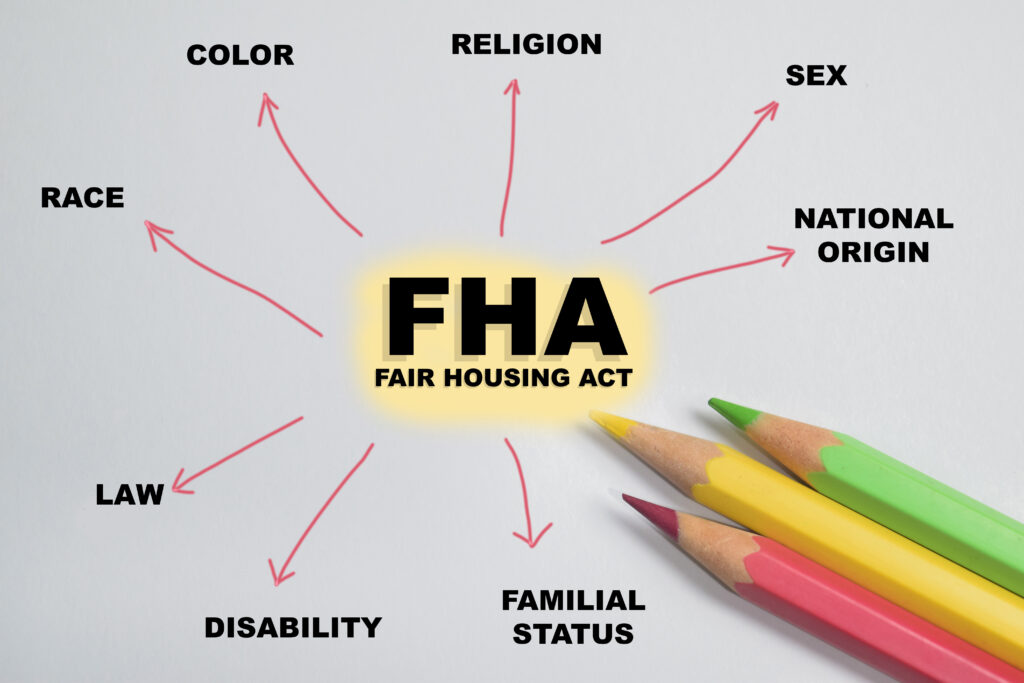
That does not mean every increase is legally risk-free. An increase motivated by discrimination or retaliation against a tenant who exercised their rights, such as reporting an unsafe living condition, can still be challenged, even without a statewide cap.
Tenants who receive a rent increase notice should confirm that it was delivered in writing and with sufficient lead time for their lease type. If a landlord raises rent without the required notice, or does so in a way that appears discriminatory or retaliatory, a tenant may have grounds to push back. Reviewing the landlord’s duties and responsibilities under a rental agreement can help clarify what a landlord is and is not permitted to do.
Signs a Rent Increase May Cross a Legal Line
Landlords should watch for issues that could make a rent increase legally vulnerable:
- Timing tied to a complaint: The increase follows shortly after a tenant reported a maintenance issue or code violation.
- Missing or verbal notice: The tenant receives the increase by phone or text. It should be a signed written notice.
- Mid-lease changes: A landlord attempts to raise rent before the fixed-term lease has expired without a clause allowing it.
- Inconsistent treatment: Similar units in the same building saw smaller increases or none at all.
Spotting one of these patterns does not automatically mean a law was broken, but it is worth reviewing with an attorney.
What This Means for South Carolina Renters and Landlords
Understanding the difference between what a bill proposes and what current law actually requires matters more than it might seem. Some online guides reference proposed South Carolina rent-control legislation as though it already governs rent increases, leading landlords and tenants to assume protections that are not currently in effect. Anyone confused about tenant rights regarding rent increases may consider consulting an attorney to discuss their situation.
Keeping Rent Increase Records Organized
For landlords, clear records can make a rent increase dispute easier to evaluate if questions come up later. Keep copies of the lease, renewal offers, written communications, and payment history in one place. Notes about maintenance requests or prior tenant concerns may also help show the full timeline.
Organized documentation does not prevent every disagreement, but it gives an attorney a clearer starting point when reviewing whether the increase was handled properly under the lease and applicable South Carolina rent control laws.
Discuss Rent Increase Concerns With Matejka Law LLC
Now that the question “How often can a landlord raise rent?” has been addressed, the next step is understanding how your lease applies. Matejka Law LLC helps landlords and property managers throughout the region navigate disputes involving lease terms, notice requirements, and rent increases.
When breaking a lease is part of a rent increase dispute, Matejka Law LLC can help landlords understand how to move forward. Call us at (843) 300-8147 to discuss your situation.