You signed a lease with clear rules, but now you suspect your tenant has brought a pet into the apartment without permission. Discovering a violation of a no-pet clause in a lease agreement can leave you frustrated, especially when property damage or neighbor complaints start piling up. Working with a knowledgeable landlord-tenant attorney can help resolve the issue efficiently and reduce the risk of prolonged disputes.
Matejka Law helps Summerville, SC, property owners handle these situations. Here, we explain the steps to take, the documentation you need, and when legal action makes sense.
Confirming a Violation of Your Lease Agreement’s No-Pet Clause
Before taking action regarding a no-pet clause lease violation, you need to confirm that a breach has occurred. A neighbor’s complaint or occasional barking is not enough on its own to start enforcement.
Review your lease agreement carefully to confirm the pet restrictions you included. Look for language covering animal types, weight limits, and any approval procedures. A clear no-pet clause in a lease agreement should leave little room for interpretation.
Gathering Proof of the Violation
Solid evidence supports any future action you take. Without it, your tenant may deny the issue or claim a misunderstanding.
Useful forms of documentation include the following:
- Photos or video: Visual proof of an animal inside or around the rental unit
- Written complaints: Signed statements from neighbors or other tenants describing what they saw or heard
- Inspection reports: Notes from a routine walk-through showing pet hair, scratches, food bowls, or odor
- Maintenance records: Observations from repair technicians who entered the unit
Reviewing Lease Agreement Terms Before You Respond
Once you have proof, revisit the exact wording of your lease. Different agreements handle pet policy violations in different ways.
Some leases allow a cure period, giving the tenant time to remove the animal. Others treat any unauthorized pet as a material breach that justifies immediate notice. Reading the fine print helps you avoid procedural mistakes that could weaken your case later.
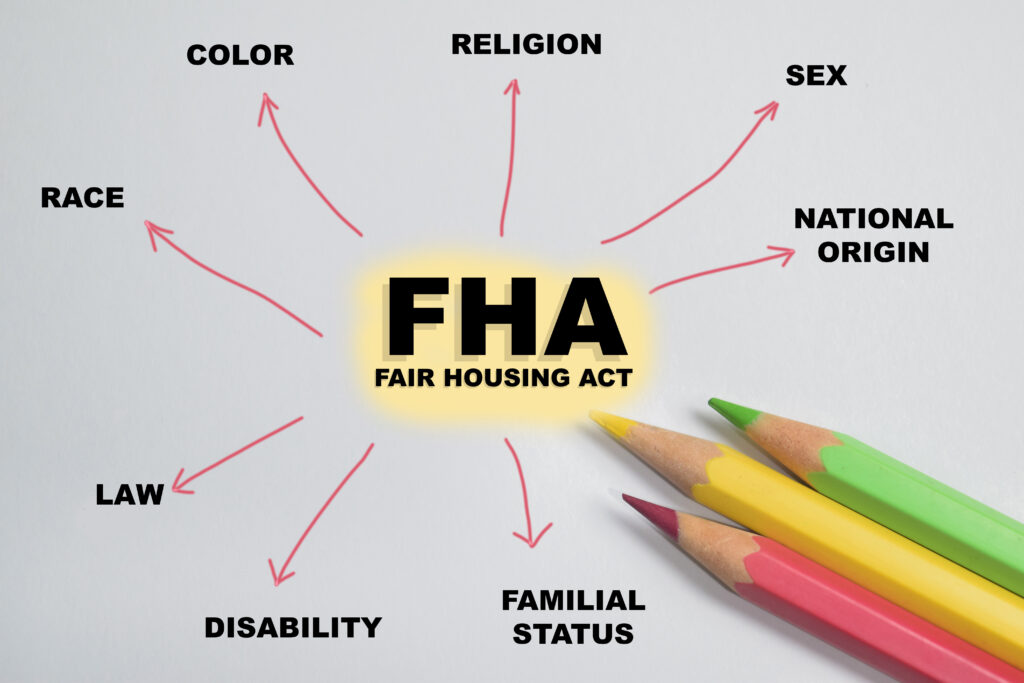
Also, check whether the animal might qualify as something other than a pet. Federal law treats service animal accommodations and emotional support animals differently from regular pets under fair housing rules. If the tenant submits valid documentation from a licensed mental health professional, you may need to grant reasonable accommodation even with a no-pet clause in their lease agreement.
Communicating With Your Tenant
Open communication often resolves the issue faster than formal legal action. Many tenants respond well to a direct conversation, especially when they understand the consequences.
Send a written notice describing the violation and citing the relevant lease section. Keep the tone professional and factual, avoiding accusations or emotional language. Give the tenant a clear deadline to respond or correct the issue.
What To Include in Your Written Notice
A strong notice protects you if the matter ends up in court. Each notice should contain the following details:
- Date of the notice
- Description of the violation
- Reference to the lease language that addresses pets
- Required action
- A reasonable timeframe for compliance, often 7 to 14 days
Enforcing Rental Property Rules and Pursuing Remedies
If the tenant ignores your notice or refuses to comply, you have several options. South Carolina law supports landlords who follow proper enforcement procedures for rental property rules. If the situation becomes untenable, it is important to understand the legal requirements for breaking a lease early.
Charging Fees or Adjusting the Lease
The tenant may want to keep the animal and accept new terms. You can negotiate a pet addendum that adds a deposit, monthly pet rent, or specific behavioral requirements. This approach works when the tenant is otherwise reliable, and the property is not damaged.
Filing for Eviction
When negotiation fails, eviction may be the next step. A no-pet clause in a lease agreement violation can support an eviction action if you follow the required notice periods under South Carolina law. Document everything, since the court will want proof that you gave the tenant a fair chance to comply.
You may also pursue compensation for damages caused by the animal. Scratched floors, stained carpet, and chewed trim all add up, and your security deposit may not cover the full costs. Beyond the immediate pet issue, you should also be prepared to sue for damages if the animal has compromised the condition of your unit. Sometimes a tenant simply moves out after a dispute, so it is helpful to know what to do if a tenant abandons a property to ensure you stay within your legal rights.
Protect Your Rental Investment With Matejka Law
Handling a no-pet clause in a lease agreement violation takes careful documentation, clear communication, and knowledge of South Carolina landlord-tenant laws. Our team at Matejka Law assists property owners with lease enforcement and helps landlords sue for damages relating to violations. We focus on real estate and landlord matters, giving you legal support when disputes threaten your investment.
Call Matejka Law at (843) 300-8147 for help enforcing a no-pet clause at your Summerville, SC, rental property.