Introduction
Owning rental property can be a powerful long-term investment—but it also comes with legal risk. In South Carolina, landlords face potential liability from tenant injuries, property disputes, unpaid rent, and lawsuits tied to property ownership. One of the most common questions landlords ask is whether an LLC for rental property makes sense.
Forming a Limited Liability Company (LLC) for rental property can offer meaningful legal and financial advantages when structured correctly. However, it is not a one-size-fits-all solution. Understanding how LLCs work, what protection they actually provide, and how South Carolina law applies is essential before making the move.
This guide explains the benefits of converting rental property to an LLC, how LLCs compare to sole proprietorships, tax considerations for landlords, and when legal guidance is critical to avoid costly mistakes.
What Does LLC Mean for Rental Property Owners?
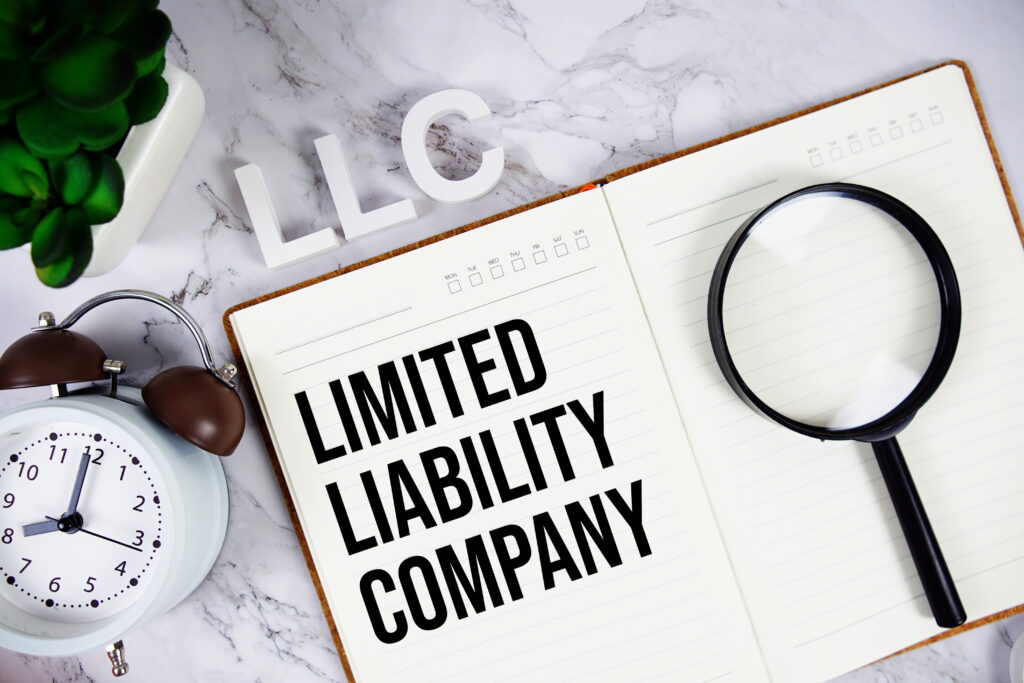
An LLC, or Limited Liability Company, is a legal business structure that separates the owner’s personal assets from the liabilities of the business. For landlords, this separation can be critical.
When rental property is owned through an LLC, claims related to the property—such as tenant injuries, maintenance disputes, or contract issues—are generally limited to the assets held within the LLC, rather than the landlord’s personal home, savings, or retirement accounts.
For South Carolina landlords, an LLC can serve as a legal barrier between personal wealth and rental-related risk, provided the LLC is properly formed and maintained.
Key Features of an LLC for Rental Property
- Personal liability protection
- Flexible management structure
- Fewer formalities than corporations
- Multiple tax classification options
Concerned about personal liability as a landlord?
Matejka Law helps landlords strengthen legal protection and reduce personal risk through proper LLC formation and structuring.
Single Member LLC for Rental Property: Pros and Cons
A single-member LLC has one owner and is commonly used by individual landlords. This structure offers the same liability protection as a multi-member LLC while remaining simple to manage.
From a tax perspective, the IRS treats a single-member LLC as a “disregarded entity” by default. This means rental income and expenses pass through to the owner’s personal tax return, similar to a sole proprietorship—but with added liability protection.
Benefits of a Single-Member LLC for Rental Property
- Shields personal assets from property-related claims
- Simplified tax reporting
- Full control over management decisions
While simple, single-member LLCs must still be properly structured, documented, and operated to maintain liability protection—especially in litigation.
LLC vs. Sole Proprietorship for Rental Property Owners
Many landlords in South Carolina operate rental property as a sole proprietorship without realizing the legal exposure involved.
A sole proprietorship offers no liability protection. The landlord and the business are legally the same entity, meaning personal assets are fully exposed if a tenant, guest, or contractor files a claim.
By contrast, an LLC creates a separate legal entity, offering significantly stronger landlord legal protection.
Key Differences
| Factor | LLC | Sole Proprietorship |
| Personal Liability Protection | Yes | No |
| Legal Separation | Separate entity | No separation |
| Tax Flexibility | High | Limited |
| Risk Exposure | Reduced | High |
For rental property owners, an LLC is often one of the most effective tools for reducing personal exposure to tenant-related risk.

Top Benefits of an LLC for Rental Property
1. Personal Asset Protection
An LLC for rental property helps shield personal assets from claims related to tenant injuries, property damage, contract disputes, and lawsuits tied to the rental property.
2. Clear Separation Between You and the Property
Operating through an LLC creates cleaner financial records, reduces commingling risks, and strengthens your legal position if disputes arise.
3. Tax Flexibility
LLCs offer pass-through taxation by default, with the option to elect S-Corp or C-Corp treatment when appropriate. This flexibility allows landlords to coordinate legal and tax planning with professionals.
4. Increased Credibility
Tenants, vendors, and lenders often view LLC-owned rental property as more professional and structured, which can reduce disputes and improve business relationships.
5. Strategic Risk Management for Multiple Properties
Landlords with multiple rentals may choose to separate properties into different LLCs or group them strategically to limit cross-property exposure.
6. Estate Planning and Succession Simplified
An LLC for rental property allows landlords to transfer ownership through membership interests rather than property deeds. This can simplify succession planning, allow for gradual ownership transfers, and help maintain continuity in management when structured properly. Estate planning benefits depend on correct legal setup and coordination with wills or trusts.
Tax Advantages of an LLC for Rental Property Owners
One of the most attractive features of an LLC is pass-through taxation. Rental income flows directly to the owner’s personal tax return, avoiding double taxation.
Additional tax advantages may include:
- Simplified tax filing for single-member LLCs
- Pass-through taxation
- Ability to elect alternative tax treatment if beneficial
- Access to business-related deductions
Tax strategy should always be coordinated with a CPA, but legal structure plays a key role in long-term tax planning for landlords.
How to Form an LLC for Rental Property in South Carolina
Forming an LLC involves more than filing paperwork. In South Carolina, landlords should carefully follow these steps:
- Choose a compliant LLC name not used by another entity
- Appoint a registered agent
- File Articles of Organization with the South Carolina Secretary of State
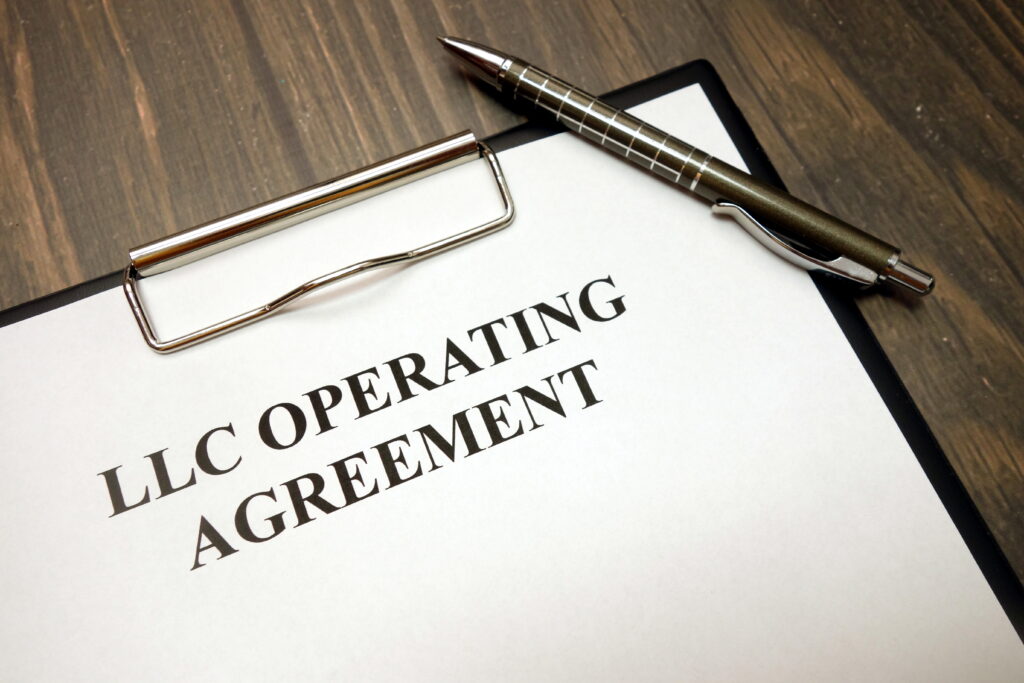
- Draft an operating agreement (strongly recommended) to outline management and operational procedures
- Maintain separation between personal and LLC finances
Improper formation or operation can weaken liability protection—sometimes completely.
Forming an LLC requires more than filing documents.
Contact Matejka Law to ensure your LLC is properly structured under South Carolina law and designed to protect your assets.
Steps to Establish and Set Up an LLC
Establishing an LLC requires careful planning and execution. The process begins with selecting a business name. This name must be unique and meet state-specific rules, often including an indicator like “LLC” or “Limited Liability Company.”
The next step is selecting a registered agent for your LLC. This person or service will handle legal documents on behalf of the business. Having a reliable registered agent ensures you receive important legal notices promptly.
After selecting a registered agent, file the Articles of Organization. This document officially forms your LLC with the state and outlines basic company details. Also, consider crafting an operating agreement. Although not always required, it sets the operational terms.
Establishing an LLC
- Choose a unique business name
- Select a registered agent
- File Articles of Organization
- Craft an operating agreement
Completing these steps provides legal standing and structure to your business. After setting up, ensure ongoing compliance with state requirements and timely renewals. Staying informed on legal obligations can protect your business from future legal issues.
Forming an LLC requires more than filing paperwork.
Matejka Law has services to ensure your LLC is properly structured, compliant with state law, and designed to protect your assets.
Frequently Asked Questions About LLCs for Rental Property
Should I form at LLC for rental property?
It depends on your risk exposure, number of properties, and long-term goals. For many South Carolina landlords, an LLC offers meaningful protection—but improper setup can limit its effectiveness.
Does an LLC for rental property protect landlords from tenant lawsuits?
An LLC can limit personal liability, but it does not eliminate risk. Insurance, proper maintenance, and legal compliance are still essential.
Do I need a separate LLC for each rental property?
Not always. Some landlords benefit from separate LLCs, while others use strategic grouping. This decision should be evaluated with legal guidance.
Can a single-member LLC own rental property?
Yes. Single-member LLCs are common for landlords and provide liability protection when properly maintained.
Is an LLC For Rental Property Right for You as a South Carolina Landlord?
Before converting rental property to an LLC, consider:
- Your exposure to tenant-related risk
- The number of properties you own
- Long-term investment and estate planning goals
- The importance of liability protection
An LLC is not just a business decision—it is a legal strategy.
Conclusion: Making the Move to an LLC for Rental Property
For South Carolina landlords, converting rental property to an LLC can be a proactive step toward protecting personal assets, improving legal structure, and supporting long-term investment goals. However, the benefits depend on proper formation, compliance, and ongoing operation.
With the right legal guidance, an LLC can become a powerful tool for landlord liability protection and risk management.
Thinking about converting your rental property to an LLC?
Whether you’re a first-time landlord or managing a growing portfolio, Matejka Law provides clear guidance on LLC formation, landlord liability protection, and long-term legal strategy.